
How to Get Utility Connection Approval in Dubai: Step-by-Step Guide
August 27, 2026
In Dubai, connecting a new building to utility networks is often the most time-consuming part of the construction journey. Electricity, water, cooling, telecom – every service has its own approval flow, and a single missing document can delay the entire project for weeks. For developers and contractors, that means lost revenue and frustrated stakeholders. The good news? The process is structured, and with the right approach, it can be managed efficiently. In this guide, we break down how to obtain utility connection permission in Dubai, what to prepare, and how to avoid common pitfalls.
Understanding the Utility Connection Framework in Dubai
Before you start any paperwork, you need to know who governs what. In Dubai, the main authorities are the Dubai Electricity and Water Authority (DEWA), the Dubai Municipality, the Roads and Transport Authority (RTA), and the Telecommunications Regulatory Authority (TRA) for telecom connections. Each has its own requirements, submission windows, and inspection procedures. The process also depends on whether your project sits inside a free zone, a master development, or on a private plot. Master developers often act as intermediaries, issuing no-objection certificates (NOCs) that are mandatory before any utility provider reviews your application.
Understanding these relationships early saves time. For instance, DEWA will not process an electricity connection without an NOC from the relevant master developer. Similarly, a district cooling connection requires coordination between the cooling provider and the building's plumbing design. You need a clear map of all the stakeholders involved before you submit a single form. This is where a seasoned engineering consultant can step in and streamline the flow, but it is also something you can plan internally if you have the right expertise.
Pre-Application: Documents and Prerequisites
To avoid rejection, gather the following before submitting your application:
- Title deed or lease agreement proving the plot ownership
- Valid Emirates IDs and passport copies of all signatories
- Letter of authorization from the project owner
- Approved civil defense drawings and building permit
- Architectural, structural, and MEP drawings stamped by a licensed engineer
- Electrical load calculations and single-line diagrams
- Water demand calculations and plumbing isometric drawings
- No-objection certificate (NOC) from the master developer (if applicable)
Missing any of these is the most common reason for rejection. The authorities are strict about document consistency. A small mismatch between the architectural drawing and the load schedule can throw the entire application back to the drawing board. To minimize delays, verify that every document carries the correct project number, plot number, and the signature of a registered engineer.
Also, be aware that some utility providers require pre-approval of the conceptual design before you even apply for the building permit. For example, DEWA has a 'pre-connection' stage where you receive a preliminary allocation of capacity. This helps you lock in the service capacity early and avoid redesigning your switchgear later.

The Approval Process: Step-by-Step
Here is a typical workflow for utility connection approval in Dubai. Keep in mind that the exact order can vary depending on the authority and the type of connection.
- Submit a preliminary inquiry to the relevant authority or a licensed engineering consultant.
- Obtain a feasibility and capacity study that confirms the available load and connection point.
- Apply for initial NOC from the master developer or the utility provider.
- Submit final designs and load calculations for technical review.
- Pay the infrastructure contribution fees (if required) based on the approved load.
- Schedule and pass the site inspection of the internal networks and the connection point.
- Complete the physical connection and receive the final meter installation.
An often overlooked step is the prior coordination with the civil defense and the Dubai Municipality for firefighting and gas systems. These parallel approvals can take longer than the utility connection itself, so it is wise to start them early.
Utility Types and Their Specific Requirements
Different services require different paperwork and go through different providers. Here is a quick comparison to help you understand the landscape:
| Utility | Main Provider | Typical Documents | Key Considerations |
|---|---|---|---|
| Electricity | DEWA | Load schedule, SLD, NOC | Capacity reservation required |
| Water | DEWA | Water demand calc, plumbing drawings | Connection to municipal main or tanker |
| District Cooling | Empower / others | Cooling load assessment, MEP drawings | Coordinate with building management |
| Gas | Emirates Gas | Gas design, civil defense approval | Separate safety inspections |
| Telecom | Etisalat / du | Infrastructure layout, riser plans | Compliance with TRA guidelines |
| Irrigation | Dubai Municipality | Landscaping plans, irrigation design | Water allocation for greenery |
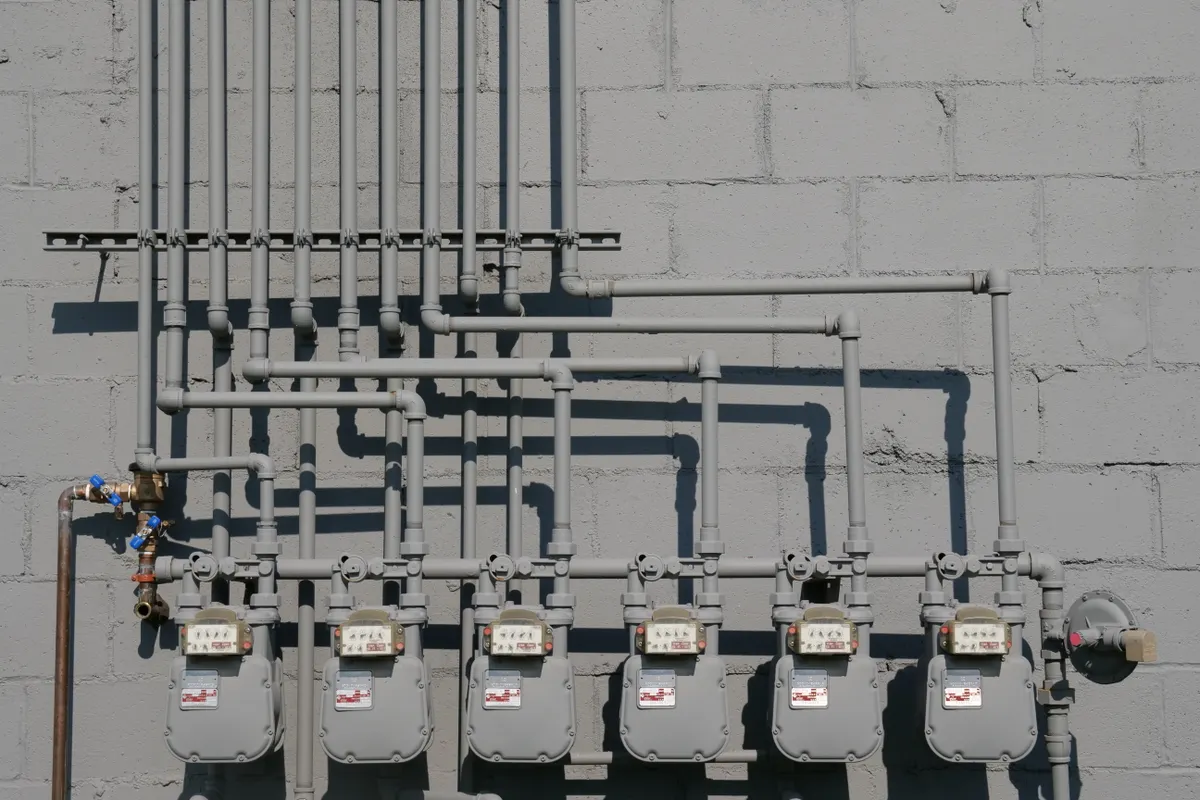
Each provider may require its own application form and fee calculation. In many projects, electricity and water are bundled into an integrated DEWA application, which saves time. District cooling and telecom are usually arranged separately, often after the main building structure is completed. Gas is the most sensitive due to safety regulations and civil defense oversight.
Notice that the table is generic and does not include exact fees or timelines. That is because these change frequently and depend on the project's scale and location. Your engineering consultant can provide a customized matrix based on your specific plot.
Common Challenges and How to Avoid Them
The biggest mistakes in utility connection applications are usually administrative. Missing signatures, mismatched drawings, outdated NOCs, and unpaid fees account for the majority of rejections. Another common issue is underestimating the load requirements, which forces the applicant to revise the electrical infrastructure after it has already been installed.
To avoid these problems, implement the following practices:
- Create a document checklist and assign a single person (or team) to track the approval status.
- Cross-check all drawings for consistency of plot number, title, and revision date.
- Engage the utility providers early in the design phase to confirm capacity.
- Submit the applications online where available, and keep digital copies of all receipts.
- Build buffer time into your construction schedule for re-inspections and corrections.
It also helps to understand that some delays are genuinely caused by third parties. For example, the master developer might be slow to issue the NOC, or the civil defense department might require changes to the gas meter room. In such cases, proactive communication and a professional liaison can speed up the resolution.
Why Work with a Full-Cycle Engineering Company
Coordinating utility connections is a specialized skill. It requires knowledge of local codes, personal contacts within authorities, and the ability to interpret technical standards quickly. For many developers, doing this in-house means hiring a dedicated approvals team, which is expensive for a single project. That is why working with a full-cycle engineering company like ZeroMax Group makes practical sense.
We offer architectural design, engineering, procurement, and construction under one roof. This means the same team that designs your building also prepares your utility connection drawings and handles the submission. There is no disconnect between the designer and the person filling out the forms. Our engineers understand what the inspectors look for, and they build it into the design from day one.
If you are planning a project in Dubai, you can contact us for a review of your utility connection strategy. And to stay updated on other construction insights, check our blog regularly.
Final Thoughts and Next Steps
Getting utility connection approval in Dubai is a challenge, but it is a predictable one. The authorities follow clear procedures, and the required information is available if you know where to look. The key is preparation: engineering documents must be complete, loads must be calculated accurately, and the timeline must account for reviews and re-submissions.
Our advice is to start the process as soon as you have a detailed design, not after construction begins. Early engagement with DEWA, Empower, and the municipality can prevent costly redesigns and keep your project on schedule. If this feels overwhelming, remember that you do not have to do it alone. A professional engineering consultant can act as your liaison and manage the entire approval workflow.
Ready to move forward? Reach out to ZeroMax Group for a consultation on your upcoming project. We can help you secure the necessary permits, coordinate with authorities, and ensure that your building is connected to all required networks before you hand over the keys. Even if your project is at an early conceptual stage, a quick chat with our team can save you months down the line.