
Geotechnical Investigations in Dubai: Why Site Data Shapes Your Project
August 27, 2026
For developers in Dubai, the first question is never about the elevation of the facade. It is about what is underneath the site. Every structure, from a two-storey villa to a 50-storey tower, depends on foundation assumptions that must reflect real ground conditions. A geotechnical investigation is not a box-ticking exercise on the approvals list. It is the data layer that separates a reliable budget from a chain of change orders.
This guide explains the practical role of geotechnical investigations in Dubai, how the local environment complicates the process, and why a solid site report should shape every subsequent design decision. If you are planning a project and need support with engineering design and approvals, our team at ZeroMax Group covers the full cycle, from initial site surveys to supervision. You can also read more practical insights on our blog.
Why Geotechnical Investigations Matter in Dubai
Dubai's building boom often moves faster than geology allows. Developers in a hurry may accept a boilerplate foundation solution to keep schedules tight, yet the consequences appear later: unexpected settlement, cracks in finishes, or a retaining wall that behaves differently than the model predicted. A proper geotechnical investigation gives you the information to avoid these surprises.
Subsurface risk is the largest source of technical uncertainty on a project. The variables are not limited to soil type. Groundwater level, soil density, chemical aggressiveness, and the presence of weak layers all influence foundation design, excavation shoring, and waterproofing requirements. When you start with site-specific information, you can make evidence-based decisions on foundation types, pile lengths, and construction techniques.
For stakeholders in Dubai government agencies, contractors, and financiers, the sign of a professionally managed project is a clear geotechnical report. It demonstrates that the development cycle is controlled and that risks have been identified before concrete is ordered. That is why successful geotechnical investigations Dubai are treated not as a consultant's task, but as an investor's protection.
Local Ground Conditions: What Lies Beneath Dubai
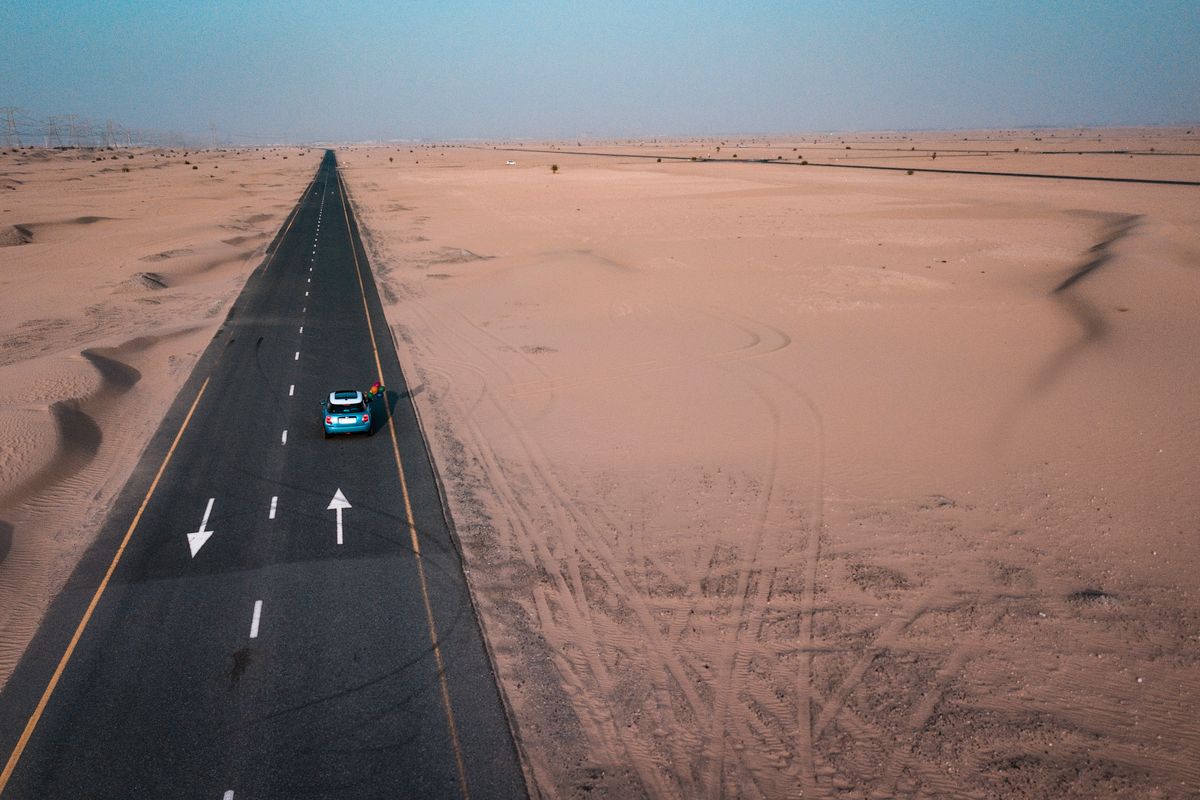
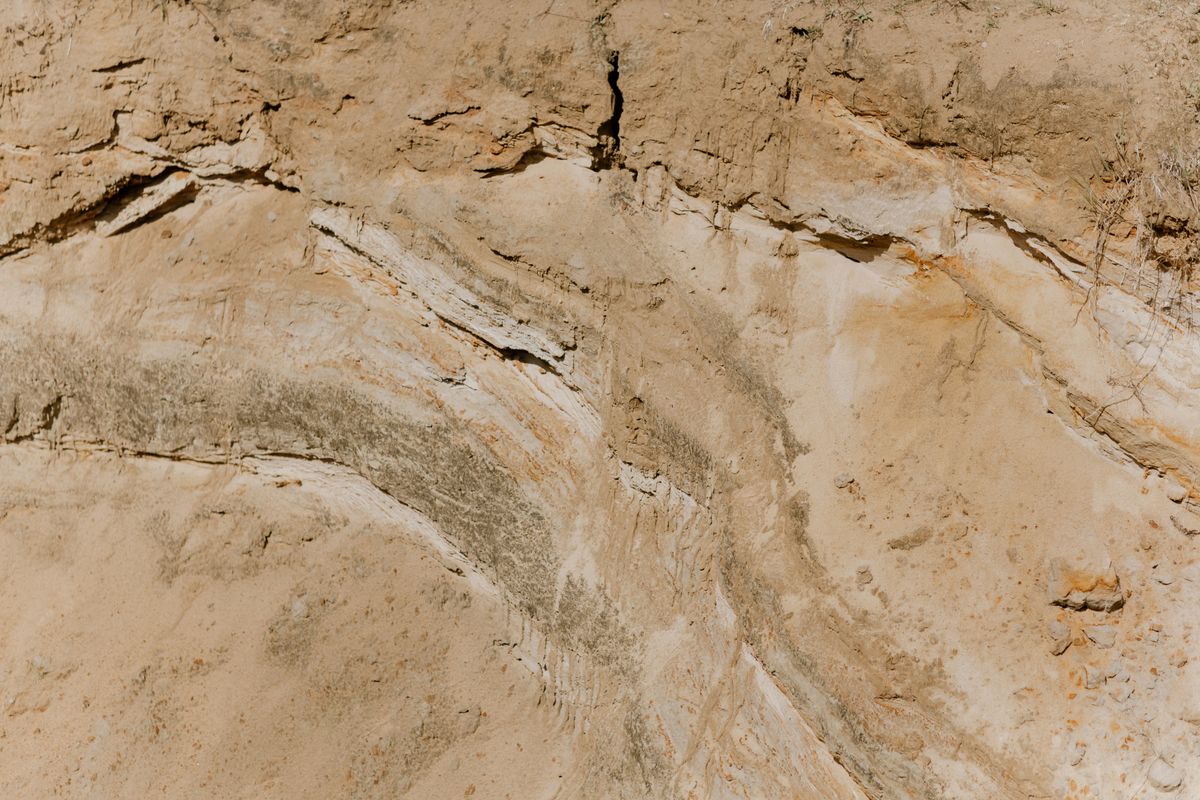
The surface of Dubai may look like uniform flat desert, but beneath the sand the story is different. The geology is a patchwork of recent aeolian sands, calcareous sediments, and occasional hard layers of gypsum and limestone. In coastal districts, sabkha environments form where evaporation leaves crystalline salts and soft, moisture-sensitive fabrics. These materials can be challenging because they may dissolve or collapse when water levels change.
Groundwater also complicates the picture. In many parts of the city the water table is close to the surface, which means foundation pits need dewatering plans and waterproofing systems. Water chemistry matters too: high sulfate or chloride content can attack unprotected concrete and steel, which affects material selection. These conditions are not constant across the city, and even within one plot you can encounter significant variation.
Because of this variability, regional averages are not safe for design. A geotechnical investigation at your specific site is the only way to capture the true layering, strength parameters, and groundwater status. Without it, your engineering team is making decisions in blind spots, which is a risk that often appears in the bill for additional piling or reinforcement.
Key Stages of a Geotechnical Investigation
A well-run investigation is much more than drilling a few holes. It follows a structured process that ensures the final report supports design, procurement, and approval. The standard workflow in Dubai usually includes these phases:
- Desk study and reconnaissance: reviewing existing maps, previous records, and nearby project data, then walking the site to observe access, obstructions, and visual clues.
- Subsurface exploration: drilling boreholes or performing cone penetration tests at planned locations to recover soil samples and record in-situ ground behaviour.
- In-situ testing: measuring parameters such as penetration resistance, groundwater level, and permeability directly in the ground as part of field operations.
- Laboratory testing: performing classification, strength, compressibility, and chemical tests on selected samples according to recognised testing standards.
- Evaluation and reporting: analysing the results to derive design parameters, foundation recommendations, and construction notes for the project team.
Each stage feeds into the next. If the desk study reveals a high water table, the boreholes are placed closer together or deeper. If the laboratory tests show aggressive soil chemistry, the consultant adapts the material recommendations. The process should be interactive, not a fixed checklist.
Investigation Methods and When They Are Used
The choice of investigation method depends on the type of structure, the size of the site, and the complexity of the ground. More important than using every method is using the right ones with proper spacing and depth. In Dubai, common approaches include boreholes with standard penetration tests, cone penetration testing, and geophysical surveys for mapping lateral variations.
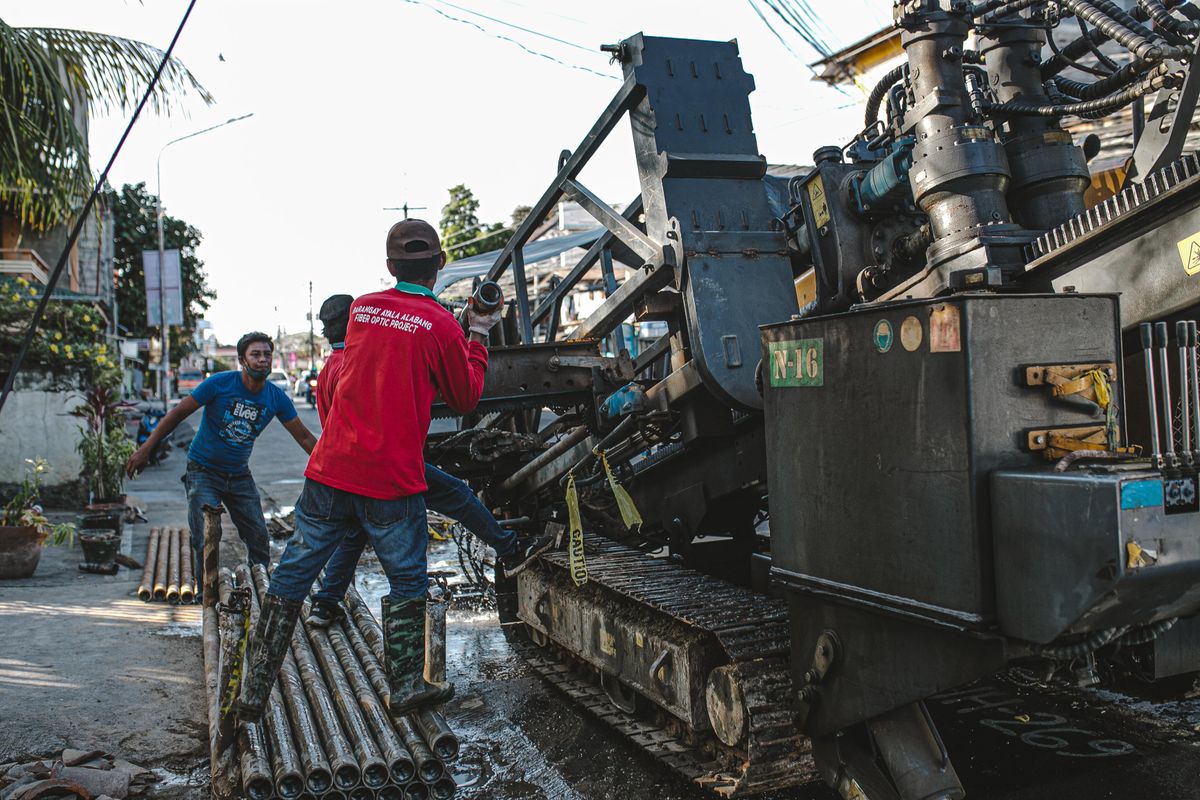
Rotary boreholes are widely used because they provide physical samples and allow in-situ tests such as standard penetration testing. Cone penetration tests are faster and offer continuous profiling, which helps identify weak layers. For larger plots, geophysical methods can help interpolate between boreholes and detect cavities or variations, but they should be calibrated with direct testing.
The table below outlines the typical methods used in a geotechnical investigation Dubai and what each one contributes to a project.
| Method | Main Purpose | Typical Output |
|---|---|---|
| Rotary borehole | Recovering disturbed and undisturbed soil samples | Soil descriptions, SPT N-values, laboratory samples |
| Cone penetration test (CPT) | Continuous profiling of soil resistance and pore pressure | Stratigraphy, bearing characteristics, compressibility |
| Geophysical survey | Mapping subsurface variability and detecting anomalies | 2D or 3D profiles, velocity models, anomaly locations |
| Pumping test | Assessing groundwater behaviour and aquifer properties | Permeability, expected inflow, dewatering strategy inputs |
Method selection also depends on the depth of investigation, which usually extends to a depth where foundation influence is negligible or into a competent bearing layer. An experienced engineer will adapt the programme to the structure instead of applying a fixed template.
How a Geotechnical Report Feeds Project Delivery
A geotechnical report is not a document that sits in the archive. It is a working tool that affects procurement, cost planning, and construction sequencing. The report’s parameters go directly into foundation design, from the allowable bearing pressure to the load-settlement behaviour of piles. These numbers influence whether a shallow raft foundation solution is feasible or whether a piled foundation is necessary.
Beyond foundations, geotechnical results shape the design of temporary works. If the water table is high, the shoring system must include a dewatering plan and the retaining walls are designed to resist hydrostatic pressure. The soil stiffness also affects excavation slopes and bracing requirements. Contractors use geotechnical data to price these works realistically, which reduces the risk of claims later in the project.
For approvals, the site investigation report is an important attachment in the documentation package. Authorities and supervising engineers in Dubai expect the design to respond to site-specific conditions. The approval framework set by Dubai Municipality (dm.gov.ae) usually requires a clear link between the report and the submitted drawings. Demonstrating that the ground investigation has been carried out competently helps the submittal process move forward without the delay of RFIs about missing data. You can see how this fits into the wider cycle of engineering and approval in our services section.
Practical Steps to Get Your Site Investigation Done Right
To get value from a geotechnical investigation, you have to be deliberate. Here are the practical steps that experienced developers follow when commissioning ground studies in Dubai:
- Start early: include the investigation in the pre-design phase, before committing to a structural concept.
- Brief the consultant clearly: share the proposed building load, number of storeys, basements, and access constraints.
- Select qualified specialists: check that the engineer and laboratory are experienced with local soil behaviour and recognised standards.
- Combine the fieldwork with design thinking: use a consultant who can interpret the data in relation to foundation and shoring options.
- Communicate with local authorities: clarify the required report format and any documentation expectations before work begins.
Take the time to walk the site with your geotechnical engineer. A visual inspection of nearby buildings, evidence of pavement settlement, or signs of high humidity can give context that no map can provide. The dialogue between the developer and the consultant is part of quality; do not delegate it entirely to assistants.
Remember that the investigation programme can be adjusted as data comes in. If one borehole finds weak material at depth, a few additional probes can determine the extent. This flexibility is normal and prevents false assumptions from entering your structural model.
Common Mistakes and How to Avoid Them
Even with good intentions, developers sometimes undermine the quality of their geotechnical study. The most common mistake is treating it as a superficial requirement: ordering two or three boreholes without clearly defining the project’s needs. Another issue is ignoring the temporary works. Soils that are fine for foundations may still cause severe problems during excavation or dewatering.
The timing also matters. If the investigation is delayed until after the basic design is fixed, the design team may force the foundation to fit a concept that is incompatible with the ground. It is always more economical to adjust the concept before drawings are issued. Similarly, if laboratory testing is rushed, you can miss important parameters like the collapse potential of gypsiferous soils.
Avoid the temptation to reuse a neighbouring report. Even across a road, ground conditions can change. A report from a nearby site is valuable context, but it is not a substitute for your own boreholes. The best way to minimise surprises is to treat every project as geotechnically unique and to ensure the investigation is designed around the building type and its loads. When in doubt, an independent review of the report by another geotechnical specialist can catch errors before they reach the structural model.
Building on Data, Not Assumptions
The best foundation decision is the one made with full knowledge of the ground. That is why geotechnical investigations Dubai are the starting point for responsible development. A site-specific report gives you the facts to choose the right foundation system, build a realistic programme, and avoid costly revisions during construction.
If you are planning a project in Dubai and need support with engineering studies, documentation, and construction, our team at ZeroMax Group can integrate the geotechnical phase into the full project cycle. We help you review a proposed site, communicate with consultants, and ensure the findings are consistently applied through design and supervision. For more guidance on related topics, check the rest of our blog.
Do not let the ground become the reason for a budget overrun. Start with a focused geotechnical investigation and build your project on the strength of real data. Contact our team to discuss your next development.