
Best Construction Materials for UAE Climate
August 28, 2026
Choosing building materials in the UAE is a different game from anywhere else. The desert environment combines intense solar radiation, extreme temperature swings, high humidity along the coast, and frequent dust storms. All these factors together determine whether a building will age gracefully or start cracking, fading, and corroding within a few years.
So what should you specify for your next project? This guide looks at the best-performing construction materials for the UAE — the ones that hold up under heat, moisture, and sand. Whether you are a developer, a contractor, or a private investor, getting this right has a direct impact on your budget, timeline, and long-term maintenance costs.
In this article, we focus on the practical side. For Russian-speaking partners, the equation is the same: надёжные стройматериалы для ОАЭ must meet local conditions, not just look good on paper. Let's break down the options by material category and see what works best.
Understanding the UAE Climate and Its Impact on Building Materials
The UAE climate is defined by two main seasons: a hot summer and a mild winter, but the summer heat is relentless. Air temperatures can reach over 45°C, while ground surfaces and dark cladding can absorb even more. Ultraviolet radiation is intense all year round, which breaks down polymers, paints, and sealants over time.
Along the coast, including Dubai and Abu Dhabi, the relative humidity is high, especially in summer. That moisture attacks unprotected steel and affects the curing of concrete. Inland and desert areas bring another problem: sand and dust. Wind-driven particles erode surfaces, scratch glass, and clog ventilation systems.
All these factors mean that materials must be selected for thermal performance, corrosion resistance, UV stability, and mechanical durability. Local building codes and green building regulations, such as the Dubai Municipality's building codes and Al Sa'fat system, already take these issues into account. The Emirates Green Building Council is also actively involved in promoting sustainable practices. But the final responsibility for material selection rests with the design team.
Concrete and Masonry for Extreme Heat
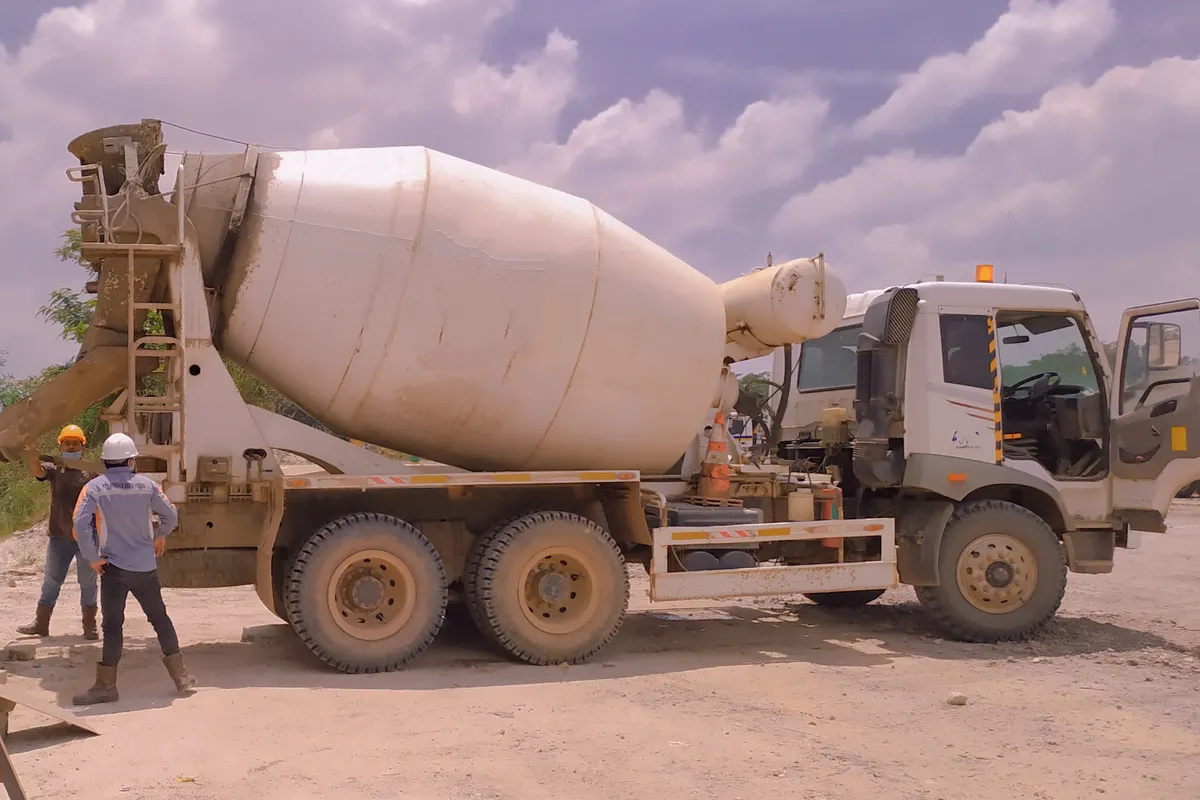
Concrete is the backbone of almost every large project in the UAE, and it can work extremely well if designed for the local climate. The challenge is thermal expansion and shrinkage. Without proper mix design, added water-reducing admixtures, and controlled curing, concrete can crack when temperatures fluctuate dramatically.
For mass concrete foundations, engineers often use low-heat cement and fly ash to reduce the heat of hydration. This prevents micro-cracks that can later allow moisture to reach the reinforcement and cause rust. Aggregates also matter: crushed rock from local quarries is often specified, but it must be tested for expansion properties.
Masonry, like concrete blocks and clay bricks, is still widely used for partition walls and facades. Autoclaved aerated concrete (AAC) blocks are gaining popularity in the UAE because they are light, insulating, and fire-resistant. However, their surface needs a proper finish and moisture barrier to avoid water uptake in humid zones.
Insulation and Glazing: Keeping the Desert Out
With air conditioning running almost year-round, a building's envelope is the first line of defense. Proper insulation is not just about comfort; it is about energy bills and the size of your HVAC system. In the UAE, roof and wall insulation are mandatory in most commercial projects under current codes.
Common insulation materials include extruded polystyrene (XPS), polyurethane foam, and mineral wool. XPS is popular for roof slabs because it resists moisture and compression. Polyurethane offers a higher R-value per inch, but it needs a protective barrier against ultraviolet light. Mineral wool is often chosen for fire-resistant partitions, but it can absorb water if exposed.
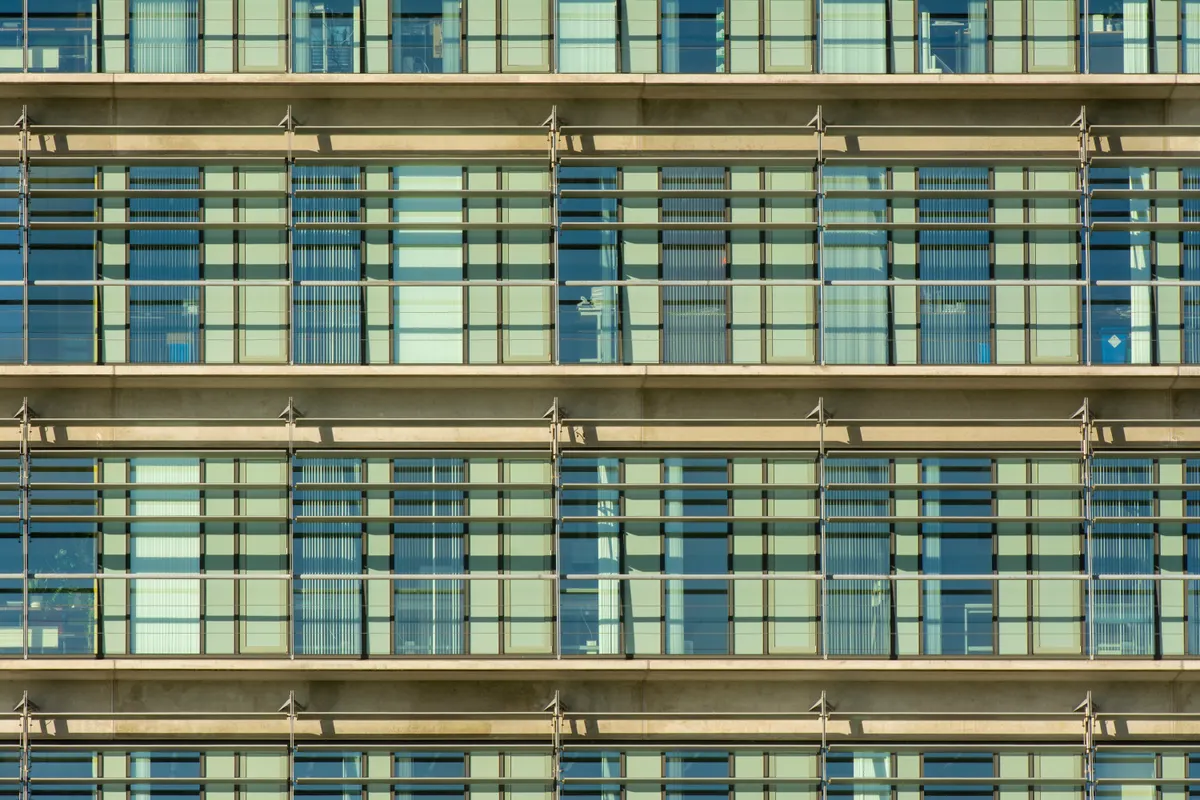
Glazing is equally important. Single-pane glass has almost no insulating value. In Dubai's climate, you need double glazing with a low-emissivity (low-E) coating and a thermal break in the aluminum frame. That combination reflects solar heat while still letting in daylight. The choice of glass tint and a ceramic frit pattern can reduce solar gain further without making the interiors feel dark.
Cladding and Roofing Materials That Endure
The building envelope takes the brunt of sun, rain (when it happens), and sand. Cladding materials must stay dimensionally stable, resist fading, and not absorb moisture. Natural stone like granite and limestone are durable and handle heat well, but they need a proper anchoring system to cope with thermal movement.
Aluminium composite panels (ACPs) are everywhere in the UAE, but not all ACPs are equal. The external skin must be PVDF-coated or anodized to resist UV fading and chalking. Cheaper polyester-coated panels quickly lose colour and need replacement. Also, the core material must meet fire-safety regulations; the UAE has strict rules about the use of combustible cores.
Roofing is another critical area. In flat roofs, bituminous membranes or EPDM rubber are common, but they need protection from direct UV. A layer of reflective tile or a coated solar-reflective membrane can extend its life. Metal roofing systems, like standing seam aluminum or zinc, are also good options, provided they have a Kynar coating and are detailed to allow thermal expansion.
Metals and Composites: Strength Without Rust
Structural steel in the UAE must be protected from corrosion, especially in coastal areas. Hot-dip galvanized steel is an industry standard for external structures, but in severe coastal salt spray, it may not be enough. For high-end buildings, stainless steel or weathering steel is often used, but they cost more and need specific fabrication skills.
Aluminum is a lightweight alternative that does not rust, but it reacts with concrete and needs anodizing or powder coating for durability. Composite materials, such as glass-reinforced and carbon-fiber-reinforced polymers, are used in facades, domes, and decorative elements where weight is a concern. They are impervious to salt, but their UV resistance depends on the resin system.
When you design for the UAE climate, every metal detail — from the bracket that holds a balcony to the screws in a louvered sunscreen — has to be specified correctly. A small mistake in finish selection can lead to premature corrosion and costly replacements.
Sustainable and Green Materials for UAE Projects
Sustainability is no longer just a label. In the UAE, green building rating systems like Estidama (Abu Dhabi) and Al Sa'fat (Dubai) push developers to choose materials with lower environmental impact. This is not just a checkbox: it affects operational savings and the wellbeing of occupants.
Recycled materials, such as aggregate from demolished concrete or fly ash from power plants, are increasingly used in normal-strength concrete. Low-carbon concrete mixes are available, and some suppliers in the region now use hydrogen-powered manufacturing processes. These innovations reduce the carbon footprint without compromising strength.
Local sourcing is another edge. Using natural stone or sand from the region cuts transport emissions and supports local industry. Also, materials with high thermal mass, like rammed earth, can be part of a passive design strategy. Even so, rammed earth needs careful engineering to meet moisture and seismic standards in the UAE.
Choosing the Right Materials: A Practical Checklist
No material is perfect on its own. The best choice depends on a combination of technical performance, local availability, budget, and the specifics of your project. Use this checklist as a starting point:
- Check the microclimate of the plot: distance to the sea, presence of sand, exposure to wind.
- Define the lifespan of the building and the level of maintenance you are willing to accept.
- Verify materials against Dubai Municipality or Abu Dhabi PCI approvals, especially for facade elements.
- Ask suppliers for test reports on UV resistance, water absorption, and thermal expansion.
- Consider the whole lifecycle cost, including AC load, cleaning, and replacement.
To give you a quick reference, here is a comparison of common envelope materials:
| Material | Heat Resistance | Corrosion Resistance | UV Durability | Maintenance |
|---|---|---|---|---|
| Concrete block | High | High (with proper cover) | High | Low |
| AAC block | High | Medium | Medium | Medium |
| Aluminium ACP (PVDF) | Medium | High | High | Medium |
| Natural stone | High | High | High | Medium |
| Glass (double low-E) | Medium | High | High | High |
| Steel (galvanized) | Medium | Medium | High | Medium |
Of course, this table is a simplification. The actual performance depends on the specific product, installation quality, and the design details. That is why we recommend involving specialists who know the local conditions and have access to verified test data.
In the end, the right materials for the UAE climate are those that are durable, energy-efficient, and cost-effective over the building's lifetime. Start with the climate analysis, not with the catalogue. And always look for independent certifications and local references.
Need help with material selection for your project in Dubai or anywhere in the UAE? Our engineering team has years of experience with facade engineering, structural design, and sustainable solutions. Explore our services or read more insights on our blog. Contact us today to turn your project into a lasting landmark.