
Construction Project Management in UAE: The Engineer's Role
August 27, 2026
Construction projects in the UAE move fast. Tight deadlines, ambitious architectural visions, and a complex web of regulations create an environment where every decision matters. Owners and developers often ask: how do successful projects stay on track? The answer usually lies in one role — the project engineer. This article explores why professional construction project management in the UAE depends on experienced engineers and what exactly they do to turn blueprints into built reality.
The UAE Construction Landscape: Unique Challenges and Opportunities
The UAE has become a global hub for ambitious construction. From iconic towers to sprawling residential communities, developers constantly push the boundaries of design and speed. This environment offers great opportunities, but it also brings significant risks. Projects face tight funding schedules, fluctuating material costs, and strict regulatory oversight.
On top of that, a typical site in Dubai brings together contractors, consultants, and labour from many countries. Different working cultures and communication styles can slow things down if no one takes control. That is precisely where a skilled engineer steps in. The engineer translates business goals into technical plans and makes sure every stakeholder stays aligned.
In this context, construction project management in the UAE is not just about chasing milestones. It is about anticipating problems long before they appear on a critical path.

The Engineer's Role in Project Initiation and Feasibility
Every successful project starts with a clear idea. Property developers in Dubai often brief engineers to assess whether a site can accommodate the intended building. This goes beyond simple sketches. The engineer studies soil conditions, municipal infrastructure capacity, and shadow studies, and then they prepare an honest feasibility report.
At this stage, the engineer helps the owner make a sound business case. They estimate construction costs, highlight potential planning hurdles, and propose building systems that will match the budget. Without this upfront diligence, a project can stall later — or worst case, require costly redesigns.
The engineer also guides the choice of procurement route. In the UAE, design-build and traditional tendering both have their place. A seasoned engineer can recommend the delivery method that suits the specific project, minimising surprises and keeping the owner in control.
Design Management and Authority Approvals
In the UAE, obtaining building permits involves multiple government entities. Developers must satisfy Dubai Municipality, civil defence, and sometimes federal agencies, depending on the project type. Each authority has its own rules, and the documentation must be precise.
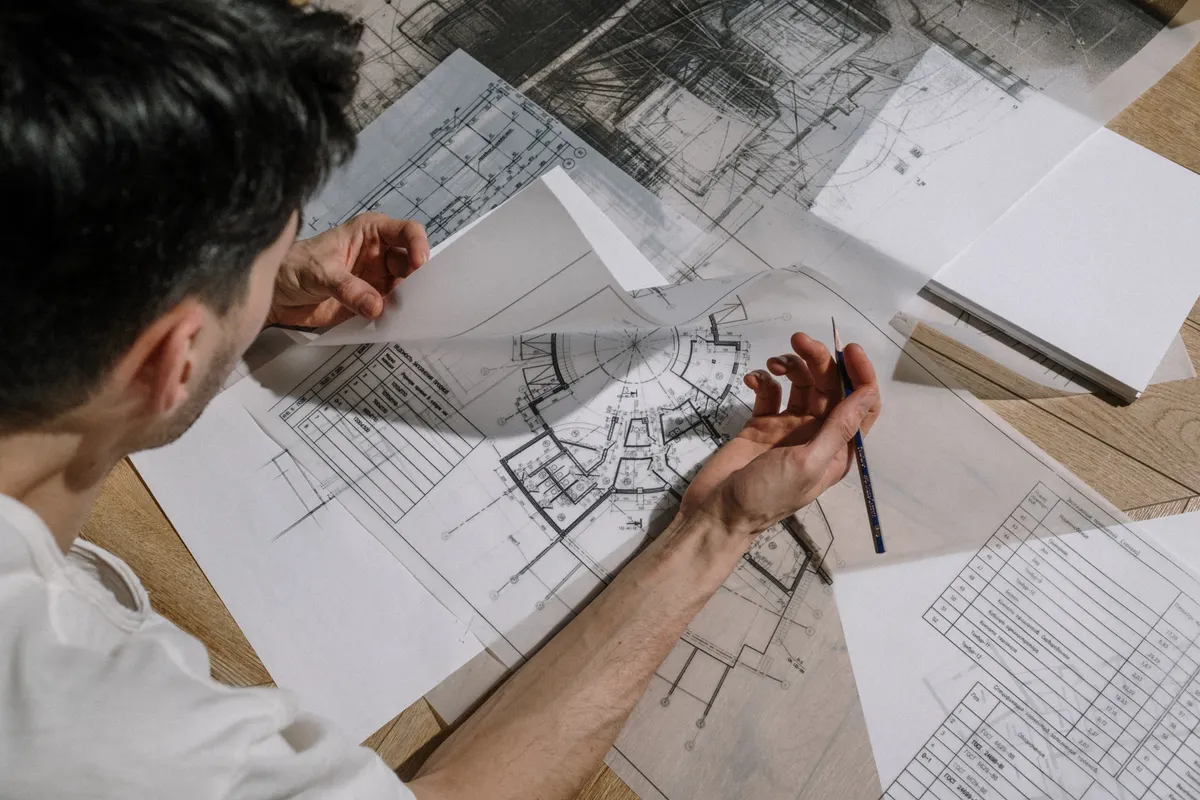
An engineer's role here is to coordinate all design submissions. They review drawings for code compliance, ensure that structural calculations meet the required standards, and track comments from the reviewing departments. This is a delicate balancing act. A small omission can send the whole package back to the beginning.
Furthermore, the engineer often acts as the technical translator between the architect and the authorities. They can explain design intent in a way that satisfies regulators, while also bringing regulatory requirements back to the design team. As a result, approvals happen faster and with fewer revision cycles.
For projects in high-profile areas such as Downtown Dubai or the waterfront, the scrutiny is even greater. Relying on an engineer with local experience helps drastically reduce delays. For up-to-date regulatory requirements, visit the Dubai Municipality portal.

Construction Phase: Supervision, Quality, and Cost Control
The engineering team's most visible work happens during construction. Site engineers supervise daily operations, but their responsibilities go far beyond simply confirming that workers are present. They monitor actual progress against the project schedule, test materials for compliance, and track the budget in real time.
A common challenge is the change order. Even the best-designed project will face modifications, whether due to market conditions or owner requests. An engineer's role is to evaluate the cost and time impact of each change, present the facts to the owner, and manage the contractor's expectations. This protects everyone from disputes later.
Below is a summary of the engineer's key responsibilities at each construction phase:
| Phase | Engineer's Focus | Key Deliverables |
|---|---|---|
| Mobilisation | Reviewing contractor resources and setting up communication lines | Site organisation plan |
| Structure & Envelope | Verifying concrete quality, steel installation, and waterproofing | Quality inspection reports |
| MEP Fit-out | Coordinating electrical, mechanical, and plumbing installations | MEP coordination drawings |
| Finishing & Handover | Running snagging procedures and ensuring compliance with the specification | Punch lists and handover certificates |
This structured approach helps owners avoid common pitfalls. Sloppy supervision leads to rework, missed deadlines, and budget overruns. A disciplined engineer, on the other hand, keeps the contractor accountable.
Communication and Stakeholder Coordination
In the UAE's diverse construction market, communication is not a soft skill. It is a critical tool. The project engineer sits at the centre of a web that includes the owner, the architect, the main contractor, sub-contractors, suppliers, and the authorities. If information does not flow correctly, mistakes happen.
Regular progress meetings are essential, but truly effective engineers go beyond formal sessions. They visit the site, talk to the foremen, and review the daily reports. This hands-on approach allows them to spot potential conflicts before they become disputes.
Good communication is not about speaking first; it is about understanding what actually matters on the ground.
An engineer also manages the owner's expectations. In a high-rise residential development, for instance, the owner may be worried about a two-week delay in the facade works. The engineer can explain the impact on the overall handover date and present a recovery plan. Confidence and transparency here are priceless.
In addition, good engineers document every decision. In a country with many international stakeholders, having a reliable record helps resolve future claims without lengthy legal battles.
Leveraging Technology: BIM and Digital Project Management
The UAE is quick to adopt technology. On modern projects, Building Information Modelling (BIM) is no longer a luxury; it is becoming a standard requirement for large developments. Engineers who are fluent in BIM can coordinate complex systems, detect clashes, and simulate construction sequences before a single concrete pour.
In addition to BIM, project management software helps track progress, costs, and documentation. With everything in a cloud platform, the whole team stays updated in real time. This is particularly useful when stakeholders are spread across Dubai, Abu Dhabi, and other emirates.
However, software alone does not manage a project. The engineer must decide what data is critical, interpret the trends, and act. For example, if the weekly cost report shows that steel prices have shot up, the engineer will immediately look for alternative procurement options or suggest adjustments to the structural design.
Technology gives engineers better tools, but it still relies on experienced human judgement.
Safety, Risk, and Sustainability in UAE Projects
Construction safety in the UAE is governed by strict regulations, and the engineer plays a leading role in ensuring compliance. They review the contractor's safety plans, conduct site inspections, and ensure that workers are following correct procedures. A safe site is also a productive site.
Beyond safety, the UAE has set ambitious environmental targets. Developers are increasingly asked to reduce waste, lower energy consumption, and use sustainable materials. The engineer helps achieve these goals by recommending efficient building systems and monitoring their performance.
Risk management is another cornerstone. Successful construction project management in the UAE relies on identifying hazards early — whether they are financial, technical, or logistical. The engineer helps build a risk register, assigns owners to each risk, and ensures that mitigation measures are actually implemented.
This proactive stance reduces the likelihood of major incidents and prevents small issues from spiraling into huge liabilities.
Conclusion: The Value of Integrated Engineering Services
Managing a construction project in the UAE is not a single-person job. It requires a team of engineers, technicians, and project managers acting in concert. When one company handles the full cycle from design through approvals to construction supervision, the benefits are clear: fewer miscommunications, faster resolution of issues, and a single point of accountability.
At ZeroMax Group, we provide exactly this integrated approach. Whether you are planning a commercial tower, a residential community, or an infrastructure project, our engineers bring both local knowledge and international standards. We work as an extension of your team, guarding your schedule and budget at every step.
To learn more about how we structure our services, take a look at the rest of our blog. And when you are ready to move forward, reach out to discuss what your project needs.
In short, the role of the engineer in UAE construction is to turn risk into control. With the right partner, your project can join the many successful developments that define this region.