
Author Supervision of Engineering Systems in Dubai
August 31, 2026
When a building project in Dubai reaches the finishing stages, the weakest link often appears not in the structure, but in the invisible network of wires, ducts and pipes behind the walls. Engineering systems — HVAC, electrical, plumbing, fire safety — account for a large share of construction defects. Author supervision of engineering systems is the mechanism that keeps these systems aligned with the approved design and regulatory requirements.
Author supervision, known in the industry as 'design supervision', is a service provided by the original designer or a qualified consultant acting on their behalf. For developers and investors in the UAE, this service is not optional paperwork. It is a practical tool to reduce rework, control costs and avoid disputes during handover.
In this article, we break down what author supervision of engineering systems means in Dubai, how it works, and why it should be part of your project management plan. If you are planning a new development, explore our full-cycle engineering services to see how we integrate supervision into construction.
What Exactly Does Author Supervision Cover?
Author supervision is not a single inspection at the end of the project. It is a continuous process that starts at the design stage and continues through construction, testing and commissioning. The supervising professional checks that every engineering system is installed according to the drawings, specifications and local codes.
The scope typically includes:
- Reviewing shop drawings and material submittals for compliance.
- Attending regular site inspections and witnessing tests.
- Resolving technical issues that arise during installation.
- Verifying that as-built drawings reflect the actual installation.
- Providing formal reports and recommendations to the client.
In Dubai, this role is often performed by the same consultant who designed the system. That gives the supervisor a clear understanding of the design intent and the ability to make quick decisions on site.
Without this level of involvement, small deviations can accumulate into major problems. A pipe route that avoids a structural beam today might cause a water hammer or maintenance nightmare tomorrow. Author supervision is the safety net that catches these issues before they become expensive.
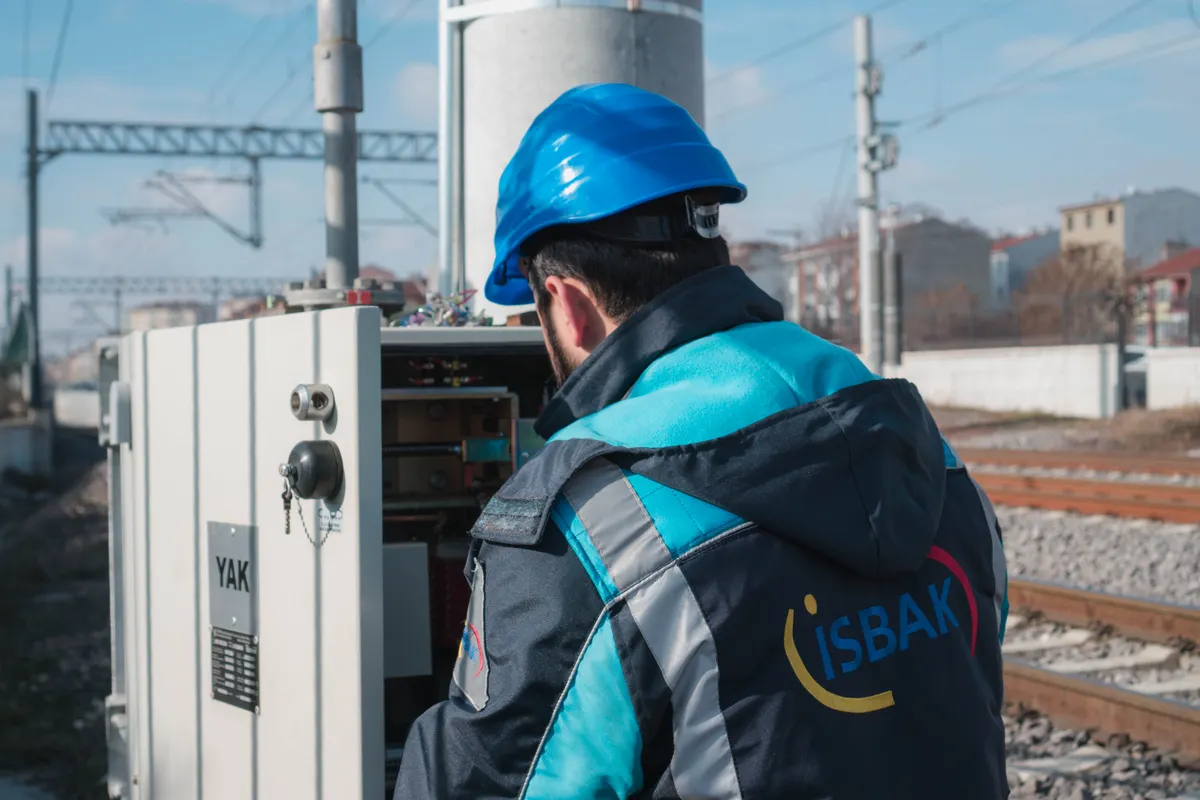
Why Dubai's Climate and Regulations Raise the Bar
Dubai's extreme summer temperatures put enormous stress on cooling and ventilation systems. A few degrees of difference in refrigerant charge or an undersized duct can lead to chronic comfort complaints and high energy bills. The local climate is not forgiving, so engineering systems need to perform exactly as designed.
Regulatory oversight also plays a role. Authorities such as Dubai Municipality and the Civil Defence have strict requirements for fire safety, ventilation and electrical installations. Approval processes set clear benchmarks, but construction sites are dynamic. Supervision ensures that what was approved on paper is what gets built.
Another factor is the fast pace of development. Many projects in Dubai run on tight schedules, and pressure to complete work can tempt contractors to take shortcuts. An independent supervision engineer acts as a counterweight, prioritising quality over speed.
For international investors who may not be on site, author supervision provides a crucial layer of assurance. It translates technical compliance into reports that owners can trust. Without it, you are essentially relying on the contractor's self-certification, which is rarely sufficient for complex engineering systems.
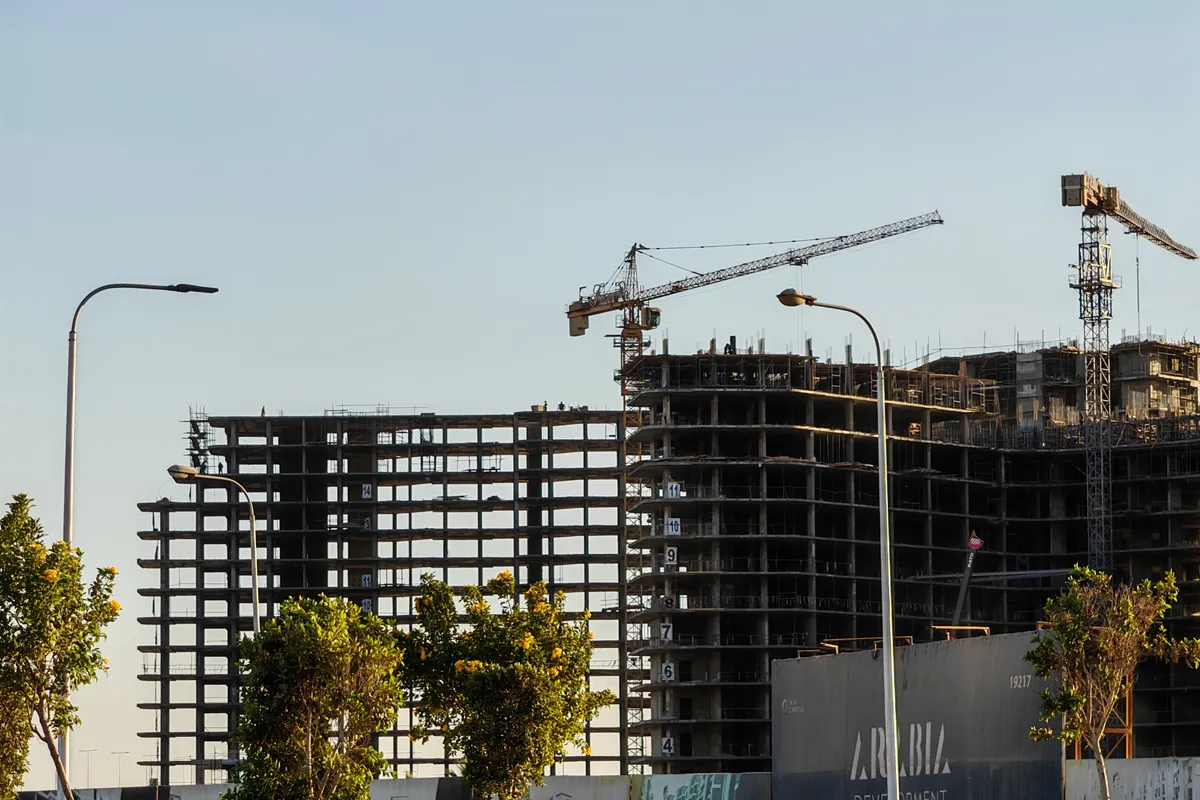
Author Supervision vs. Third-Party Quality Control
It is easy to confuse author supervision with third-party quality control, but the two serve different purposes. Third-party bodies, such as testing laboratories or inspection agencies, verify that materials and systems meet specific standards. They produce test reports and certificates, but they do not usually have the authority to direct the contractor.
Author supervision, on the other hand, is rooted in the design. The supervisor can issue site instructions, reject non-conforming work and require corrective actions. This authority comes from the design contract or a separate supervision agreement signed by the client.
Consider a scenario where a contractor proposes a substitute cable with a different fire rating. A third-party laboratory can test the cable and state whether it meets the labelled performance. But only the designer, through author supervision, can determine if that substitute is compatible with the overall electrical system and the project's certification strategy.
This alignment matters in Dubai, where many buildings are handed over as 'complete' only after all authorities sign off. The supervising engineer helps bridge the gap between the design file and the reality on site, which is something a generic quality control report cannot do.
In practice, both roles are valuable, but they are not interchangeable. A robust project should include both independent testing and dedicated author supervision, especially for complex engineering systems.
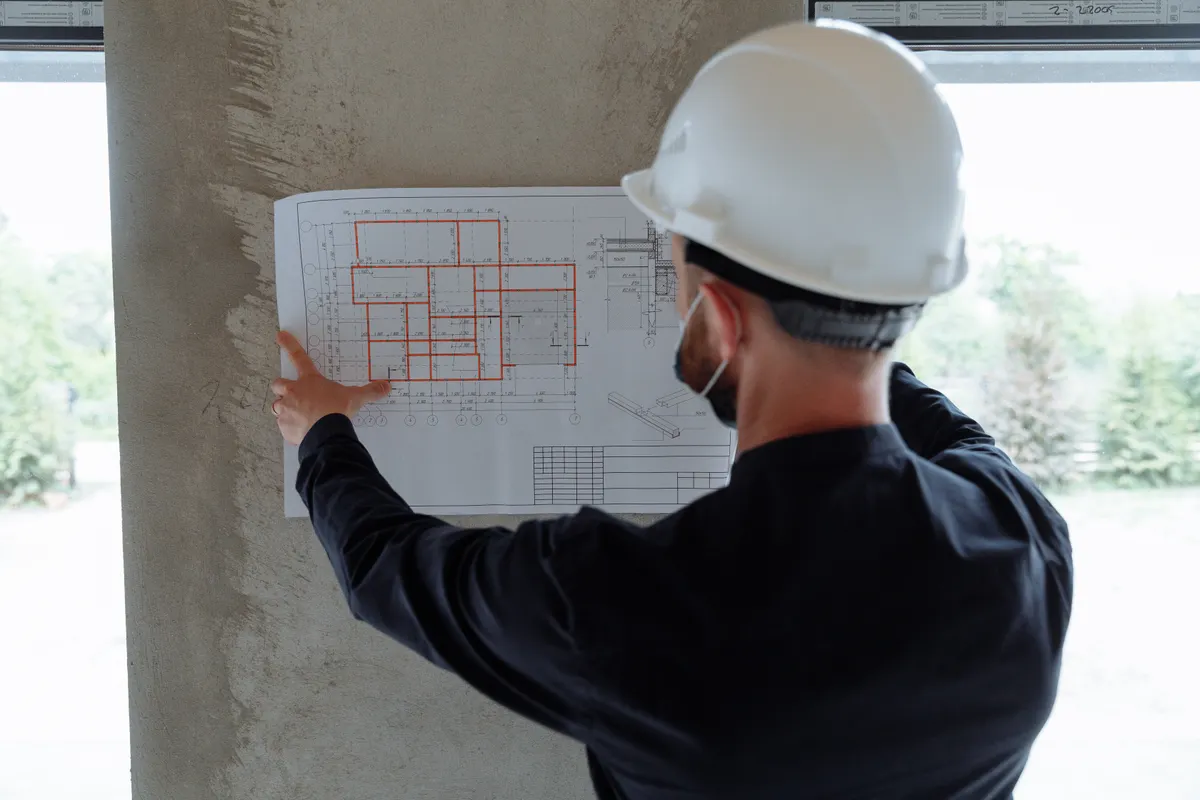
Which Engineering Systems Need the Most Attention?
Not all systems face the same level of risk. Based on common failure patterns in Gulf projects, some areas require closer supervision than others.
- HVAC and chilled water systems: Leaks, insulation gaps and incorrect pipe slopes are frequent issues that affect performance and energy consumption.
- Electrical distribution and backup power: Inadequate cable sizing, poor termination and faulty interlocking can lead to downtime or safety hazards.
- Fire protection systems: Sprinkler coverage, pump room layout and alarm integration are heavily scrutinised by the Civil Defence.
- Plumbing and drainage: Venting, trap seals and gradient issues may not appear during a simple pressure test, but they cause long-term maintenance problems.
- Building management systems: Integration of controls, sensors and meters is often left to the end of the project, leading to commissioning delays.
Each of these systems has its own set of technical risks and approval procedures. A supervising engineer must be familiar with both international codes and local amendments. In Dubai, this means understanding the Green Building Regulations and the UAE Fire and Life Safety Code.
By focusing supervision on these high-risk areas, the project owner avoids the common trap of spreading oversight too thin. Instead, the supervisor concentrates on where problems actually happen, saving time and money without sacrificing quality.
How Author Supervision Works: A Step-by-Step Process
Author supervision is rarely a one-off visit. It follows a structured process that aligns with the construction timeline. The table below summarises the typical stages and activities.
| Stage | Key Activities | Deliverables |
|---|---|---|
| Pre-construction | Review shop drawings, material approvals, method statements | Comments and approvals |
| During construction | Site inspections, RFI responses, monitoring of deviations | Site reports, instructions |
| Testing & commissioning | Witness testing, review of performance data | Test certificates, recommendations |
| Handover | Verify as-built drawings, provide final sign-off | Supervision report, compliance statement |
At the beginning, the supervisor works closely with the contractor to set expectations. This is the best time to clarify tolerances, material standards and inspection points. A well-prepared contractor will appreciate this clarity because it reduces the chance of rework later.
During construction, the supervisor visits the site at key milestones, not only at the end. The frequency depends on the project's complexity and the contractor's track record. For critical activities, such as pressure testing or elevator installation, the supervisor must be present to witness and approve.
Finally, the supervisor compiles a comprehensive report that confirms the engineering systems meet the design requirements. This document becomes part of the handover package, giving the owner confidence and protecting the value of the asset.
Common Pitfalls in Supervision and How to Avoid Them
Even when author supervision is in place, projects can go sideways if the process is managed poorly. Here are the most common pitfalls we see in Dubai.
First, supervision is often brought in too late. If the supervisor only appears when the building is nearly finished, they cannot influence the quality of hidden work. To be effective, supervision must start from the first concrete pour and the first pipe installation.
Second, the supervisor's authority is sometimes undermined by the client or contractor. If the contractor knows that their deviations will be ignored, the supervision becomes a rubber stamp. The client must explicitly support the supervisor's decisions in the contract and in practice.
Another issue is scope ambiguity. Some contracts fail to define which systems are under supervision, leading to disagreements about extra fees or work. A clear scope document should list every system, from low-voltage cabling to drainage, and specify the level of testing required.
Finally, poor communication between the consultant, contractor and authorities causes delays. The supervisor should be the central point of contact for technical issues, ensuring that decisions are documented and tracked. Regular coordination meetings with the client and contractor are essential to keep the process moving.
Questions to Ask Before You Sign a Supervision Contract
Before you engage a consultant for author supervision of engineering systems, ask yourself and the candidate team a few pointed questions.
- Have you supervised projects of a similar type and scale in the UAE?
- Which specific engineering systems are covered in your fee proposal?
- How many site visits per week do you recommend for our project?
- Who will be the lead supervisor, and what is their experience with Dubai Municipality and Civil Defence approvals?
- How do you handle conflicts between the contractor's interpretation and the design intent?
Also ask for references from recent projects. A good supervision team will have a track record of clear reporting and timely issue resolution. Do not rely solely on the firm's marketing material.
Clarity on fees is equally important. Some consultants charge a lump sum, while others bill by the hour or per visit. Make sure the contract defines what qualifies as an extra visit, especially if the contractor delays the project. Otherwise, supervision costs can balloon unexpectedly.
Remember that the goal is not just to have someone watching the site. It is to have an experienced engineer who can make sound technical decisions under pressure. That ability is worth a significant investment.
Conclusion: Make Supervision a Budget-Line Item
Author supervision of engineering systems is not an administrative formality. In Dubai's demanding construction environment, it is a practical tool to protect your design, your schedule and your reputation as a developer or investor. By catching issues early, supervision reduces rework and prevents costly disputes.
We recommend treating author supervision as a separate line item in your project budget, not as an optional extra. It is an insurance policy that pays for itself many times over when a complex system fails during operation.
If you are ready to integrate proper supervision into your next project, our team at ZeroMax Group can help. We combine architectural design, engineering and construction management under one roof. For more insights, read our construction blog or get in touch through our contacts page. Let's build with confidence, starting from the design stage.
'Good supervision does not add cost; it subtracts risk.'