
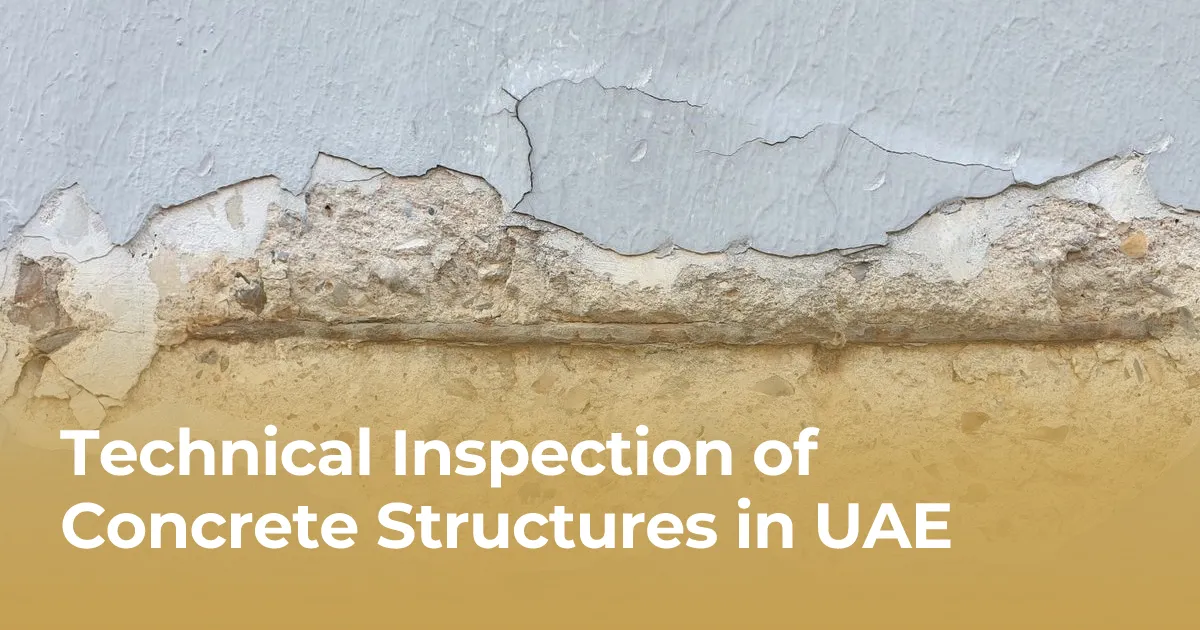
Technical Inspection of Concrete Structures in UAE
August 27, 2026
Concrete is the most widely used construction material in the UAE. It forms the skeleton of residential towers, shopping malls, and industrial facilities. Yet despite its strength, concrete is not invincible. The extreme summer heat, salinity of the air near the coast, and occasional sandstorms take a toll. Over time, the structure may show signs of distress that are not visible to an untrained eye. That is why a professional concrete structure inspection UAE is essential for anyone who owns, manages, or invests in a building.
Why Concrete Structure Inspection Matters in the UAE
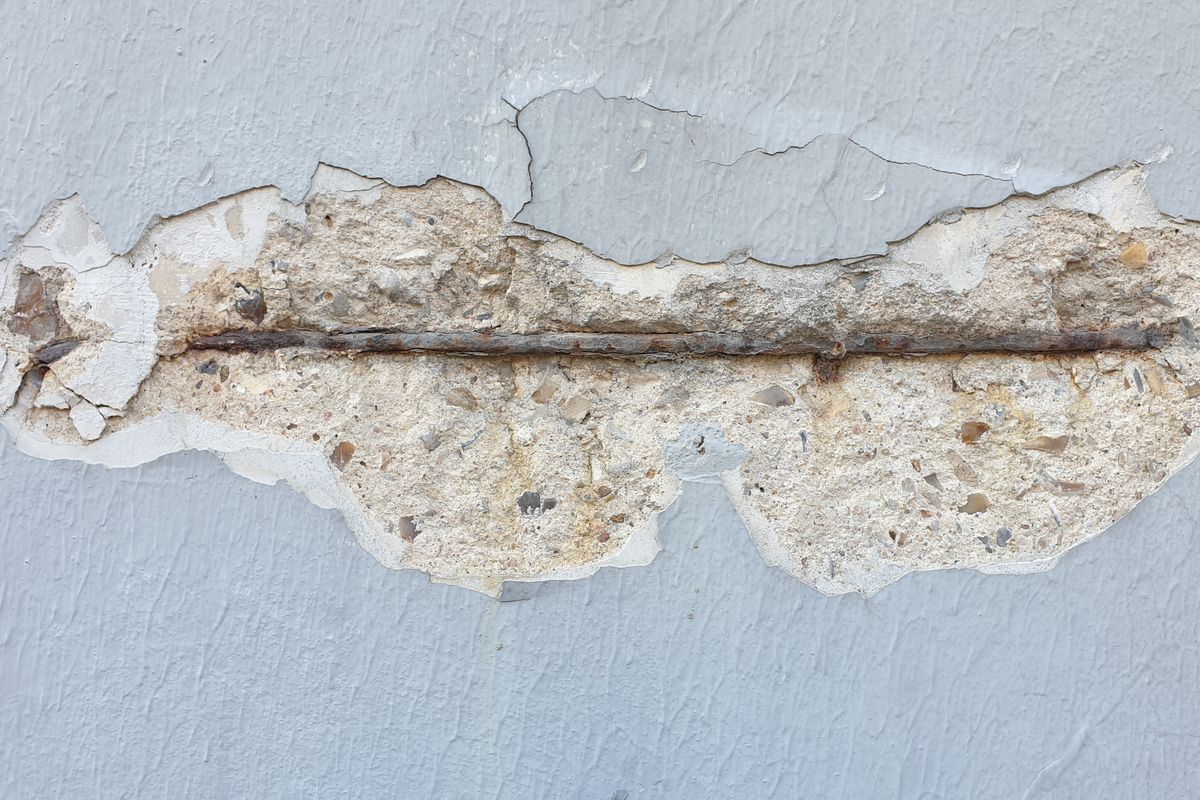
The UAE's environment accelerates the aging of concrete. High humidity and chloride-laden air penetrate the surface layer, reaching the steel reinforcement. Once corrosion begins, the expanding oxide pushes against the surrounding concrete, causing cracks and eventually spalling. In short, you cannot rely on a simple visual check to reveal whether your building is safe. A thorough inspection provides a scientifically based assessment of the current condition and future risk.
Early detection also makes financial sense. Fixing a small piece of spalled concrete is far cheaper than replacing an entire structural member. For developers, periodic inspections help maintain the brand's reputation and reduce warranty claims. For property managers, they support budget planning for maintenance and reserve funds.
Additionally, insurance providers and investors often ask for an up-to-date inspection report before issuing policies or funding major transactions. A documented history of regular inspections can increase the property's value and lower liability concerns.
Compliance and Regulatory Requirements in Dubai
Dubai Municipality and other authorities in the UAE have established rules that require building owners to maintain their properties in a safe condition. For certain structures, periodic condition assessments are mandatory. For example, high-rise buildings and facilities that host large numbers of people are often required to submit engineering reports on their structural health.
During the construction phase, a concrete inspection is practically unavoidable. Quality control tests, such as cube tests and NDT scans, are carried out to prove that the concrete meets the design specifications. Without these, the consultant cannot sign off, and the building will not receive its completion certificate.
If you are planning a renovation or extension, you will likely need a structural assessment of the existing concrete before any new design work starts. Local authorities want to see that the existing building can safely support the new loads. A professional inspection report, prepared according to international standards, simplifies this approval process.
Common Defects Found During Concrete Inspections
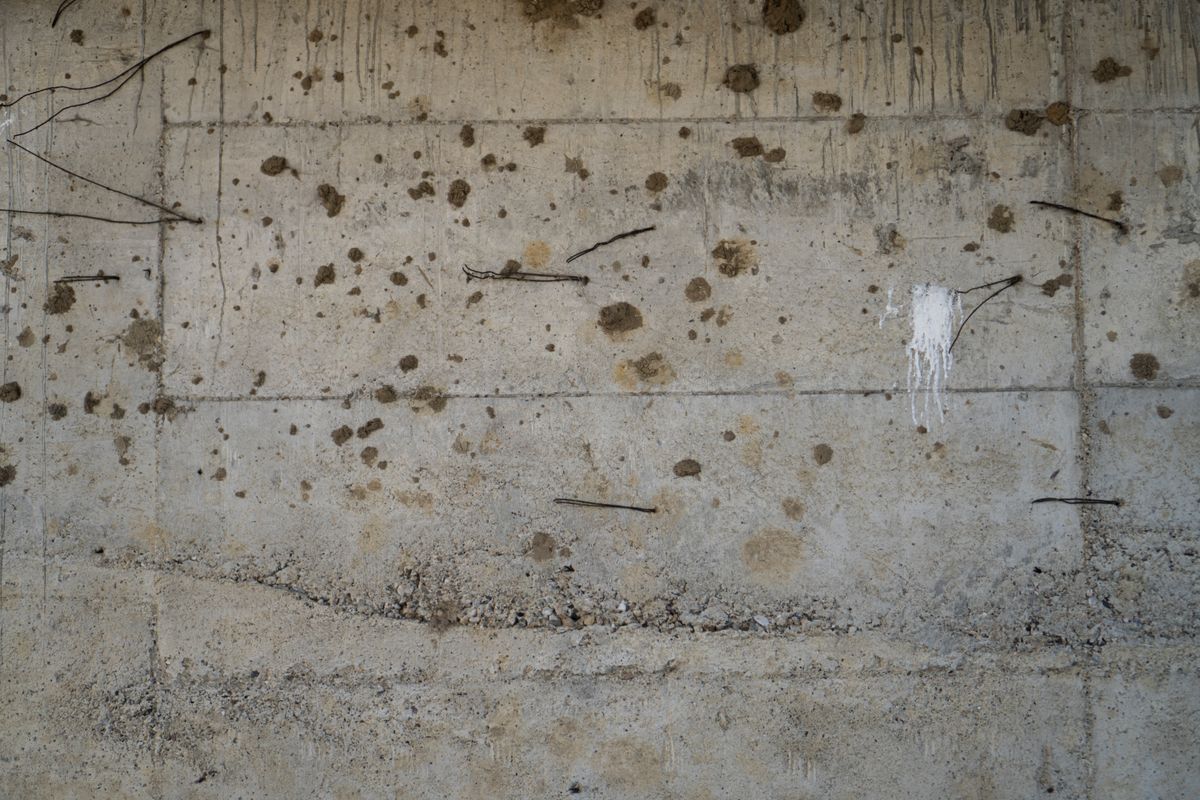
Every structure has its own story, but some defects appear over and over again in the UAE. A skilled inspector looks for these signs:
- Cracks that can be caused by plastic shrinkage, thermal movement, or structural overloading.
- Spalling and delamination, where the concrete cover breaks away from the rebar.
- Efflorescence, a white powdery residue left by water moving through the concrete.
- Carbonation depth, which indicates how far the oxide layer has reduced the pH around the steel.
- Corrosion of reinforcement, often at an advanced stage before visible staining appears.
Not every crack is a red alert. Some are superficial and harmless. But the risk is that you cannot tell without measuring. For instance, a hairline crack can be either a benign shrinkage crack or a sign of settlement. An experienced engineer knows how to measure and classify each defect, making sure that the report separates urgent issues from cosmetic ones.
The Inspection Process: Step by Step
Professional engineering inspections follow a clear sequence. This structure ensures that nothing is missed and that you get a comprehensive record. Here is what typically happens.
- Desk study: The team reviews the original drawings, materials spec, and any previous inspection reports. This context helps interpret the site findings.
- Site walkover: Engineers visually examine the entire structure, from the foundations to the roof, noting crack patterns, stains, and exposed reinforcement.
- Non-destructive testing: Using equipment such as ultrasonic pulse velocity and ground penetrating radar, they probe deeper into the concrete without harming it.
- Corrosion mapping: Half-cell potential measurements and cover depth surveys identify areas where rebar is most likely to be corroding.
- Laboratory analysis: If needed, concrete cores are taken and sent for compression strength and chemical testing.
- Reporting: The findings are compiled into a clear document with photos, test results, and prioritized recommendations.
Each step adds a layer of detail. The final report gives you not just a diagnosis, but also a plan of action.
Non-Destructive Testing Techniques Used by Professionals
Non-destructive testing (NDT) is the heart of modern concrete inspection. It allows the engineer to gather reliable data while preserving the structural integrity of the building. Here are the most common techniques used in the UAE, along with their purpose.
| Method | What It Detects | Advantage |
|---|---|---|
| Rebound hammer | Surface hardness | Fast, cheap, and gives a rough idea of strength |
| Ultrasonic pulse velocity | Internal cracks, voids, and density | Detects hidden damage deep inside the concrete |
| Ground penetrating radar | Position and depth of rebar | Shows where corrosion may have initiated |
| Half-cell potential | Corrosion activity around the rebar | Early warning of critical problems |
| Carbonation test | Depth of carbonated concrete | Estimates remaining protective cover |
Choosing the right combination of tests requires experience. The standards and methods are described in detail by organizations such as the American Concrete Institute, which engineers in the UAE frequently follow. A reliable inspection company will tailor the testing program to your specific structure.
How Inspection Results Impact Construction and Renovation Projects
The report you receive after an inspection is far more than a list of problems. It directly influences design choices, resource allocation, and project timelines.
For developers building a new project, inspections during construction catch quality issues early. A sample of concrete that fails a slump test may lead to a stop-work order. Similarly, if cover depth is less than specified, the engineers can order rework before the slab is poured. This saves time and money compared to discovering the error later.
For renovation projects, the inspection report defines the scope of work. When adding an extra floor to an existing building, you need to know the current state of columns, shear walls, and foundations. The design team relies on the inspection data to determine whether strengthening is required or if a simple load redistribution is enough.
For buyers and investors, a recent inspection report can be the deciding factor. It offers peace of mind and helps negotiate the price. Conversely, a poor report can prevent a bad investment before it harms your portfolio.
Choosing the Right Partner for Concrete Inspections in the UAE
Not all inspection companies are equal. The right partner should have a solid mix of engineering knowledge, practical experience, and modern equipment. Here are a few questions to ask when choosing your inspector.
- Are their engineers certified and experienced with UAE construction practices?
- Do they own and calibrate their own NDT equipment?
- Can they provide references from similar projects in Dubai or other emirates?
- How do they communicate findings – is it a simple list or a full engineering report?
At ZeroMax Group, we offer comprehensive technical inspection services tailored to the UAE's climate and regulations. Our reports are detailed yet easy to understand, and we work with you to schedule inspections without disrupting your operations. For more advice on structural health, you can browse our blog, where we share practical tips for building owners and developers.
Concrete deteriorates, but that process can be managed. A well-timed and thorough concrete structure inspection in the UAE protects your investment, ensures safety, and supports compliance with local regulations. Do not wait for visible damage to appear – by then, the repair costs will be much higher. Contact us today to schedule a detailed condition survey and get a clear picture of your building's health.