
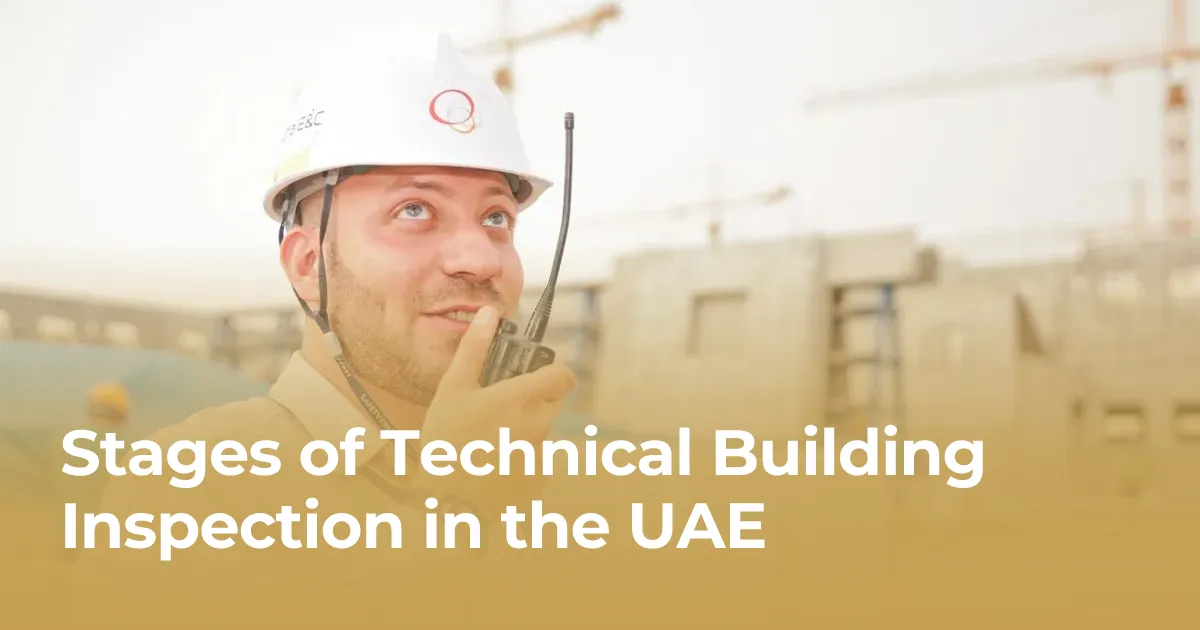
Stages of Technical Building Inspection in the UAE
September 2, 2026
In the UAE's fast-paced real estate market, a building's structural health is often more fragile than it looks. Extreme heat, humidity, and fast-track construction can hide serious defects beneath a polished facade. That is why a thorough technical building inspection is not a luxury—it's a necessity for developers, owners, and investors.
At ZeroMax Group, we offer full-cycle engineering services, and technical inspection is the first step to making confident, informed decisions. This guide breaks down the stages of technical inspection UAE projects require, so you know exactly what to expect and how to prepare.
| Stage | Main Focus | Outcome |
|---|---|---|
| Documentation Review | Drawings, permits, maintenance history | Baseline understanding, list of discrepancies |
| Site Planning | Scope, schedule, equipment | Efficient inspection workflow |
| Visual Inspection | Cracks, moisture, structural signs | Condition notes, photos, risk map |
| Non-Destructive Testing | Concrete, rebar, hidden defects | Material quality data |
| Compliance Verification | Building codes, fire safety, permits | List of non-compliance issues |
| Reporting | Findings, priorities, repair plan | Final inspection report |
| Post-Inspection Support | Remediation guidance, monitoring | Actionable roadmap |
Why Technical Building Inspection Matters in the UAE
The UAE's climate is a relentless stress test for buildings. Daily temperature swings, high humidity, and occasional sandstorms accelerate wear on materials. Add to that the sheer speed of construction in places like Dubai, and you get a pressing need for independent technical checks. A proper inspection identifies early signs of distress—micro-cracks, spalling concrete, corroded rebar, or water infiltration—before they become expensive emergencies.
For developers and investors, this means peace of mind and better negotiation power. For property managers, it supports a proactive maintenance plan. For tenants and owners, it ensures safety and comfort. In short, a technical inspection is a risk-management tool that directly protects your capital. And when the inspection is carried out in defined stages, it becomes a transparent process that all stakeholders can trust. That's why leading engineering firms in the UAE, including ZeroMax Group, structure their inspections around globally recognized standards and local building codes. The result is a comprehensive evaluation that goes beyond a simple walkthrough.
Pre-Inspection: Documentation Review and Preliminary Planning
Before a single tool touches the building, our engineers dig into the paperwork. This stage is often underestimated, but it's the foundation of a reliable inspection. We start by collecting architectural, structural, and MEP drawings, as well as as-built documentation, permit records, and previous maintenance reports.
The goal is to understand how the building was designed and what has changed over time. Discrepancies between drawings and reality often point to unauthorized modifications or structural concerns. We also review the maintenance history to spot recurring issues. Once we have a clear picture, we plan the site visit: we define the inspection scope, select the right testing equipment, and set a realistic timeline.
This documentation phase helps us ask the right questions and focus resources where they matter most. It also sets the baseline for the final compliance check, so we can trace any red flags back to their source.

On-Site Visual and Structural Assessment
Now the engineers get their hands dirty. This stage is a systematic visual examination of every accessible area of the building: foundations, columns, slabs, beams, facade, roofing, and common areas. We look for cracks, spalling, rust staining, water marks, and any deformation that might indicate distress.
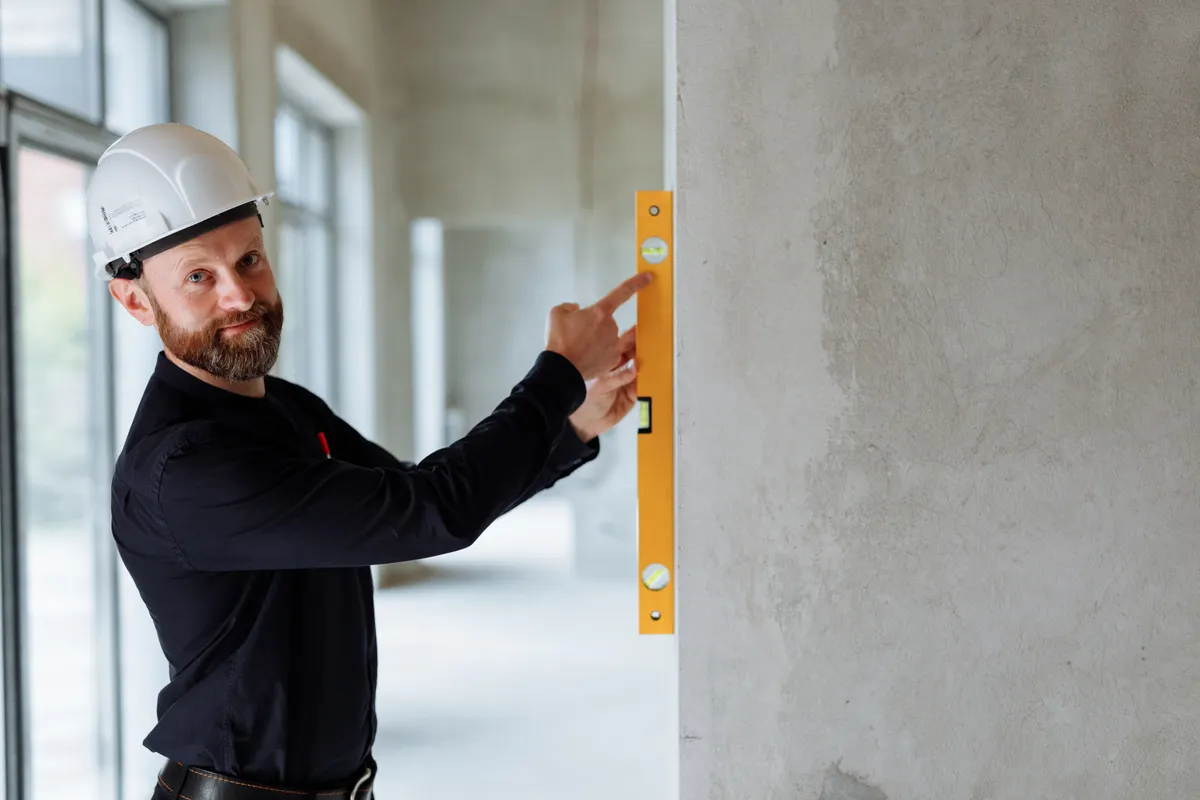
We also check the building envelope for thermal bridging and moisture entry, as these are common weak points in UAE constructions. Using tools like crack microscopes, levels, and thermal imaging cameras, we document conditions with photos and notes. The goal is to create a detailed picture of the building's current state and identify areas that require deeper investigation.
It's important to understand what visual inspection can and cannot reveal. It gives us immediate clues, but hidden defects need specialized testing. That is why the next stage exists. For many routine inspections, this thorough walkthrough is enough to make an initial assessment, but we go further when the situation demands it.

Non-Destructive Testing and Material Analysis
When a visual assessment reveals potential issues—or when the building's age calls for a deeper look—we move to non-destructive testing (NDT). These methods allow us to evaluate material properties without damaging the structure. Common techniques include the rebound hammer test to estimate concrete surface hardness, ultrasonic pulse velocity testing to detect internal voids, and ground-penetrating radar to map rebar positions and concrete cover depth.
In some cases, we also take core samples for laboratory analysis. That helps us verify concrete compressive strength and assess chloride content, which is a major cause of rebar corrosion in coastal environments. We may also inspect fire-stopping and insulation systems if required.
NDT adds a quantitative layer to the qualitative visual findings. It turns suspicions into evidence and gives you a reliable picture of the building's structural integrity. The results directly inform the next stage—compliance and code verification.
Compliance with UAE Building Codes and Regulations
The UAE has a robust regulatory framework for construction. In Dubai, buildings must comply with Dubai Municipality's building codes, the UAE Fire and Life Safety Code, and, where applicable, authority guidelines and green building regulations. A technical inspection is incomplete if it doesn't verify compliance with these standards.
Our engineers check whether the existing structure, means of egress, fire protection systems, and structural loads still align with the approved design and current code requirements. We also assess accessibility, ventilation, and environmental performance where relevant. This is especially critical for older buildings that may predate updated regulations.
Compliance is not merely a bureaucratic step. Non-compliant buildings risk fines, revocation of occupancy permits, and, most fundamentally, the safety of occupants. By identifying gaps in compliance, the inspection report gives you a clear roadmap to align the property with legal expectations. This stage is where the documentation review and site findings converge.
Inspection Report and Actionable Recommendations
After all data is collected, our engineers compile a comprehensive inspection report. This is the most important deliverable for the client. The report includes an executive summary, detailed findings with photographs, test results, and a condition rating for each component.
We prioritize every issue into three categories: critical, major, and minor. Critical issues require immediate attention because they pose a safety risk. Major issues may affect the building's function or lifespan and need timely repair. Minor issues are cosmetic or low-impact but should be monitored. Alongside the findings, we provide practical recommendations. For example, if we notice corrosion near the facade, we might suggest specific repair methods and a timeline.
We also include a maintenance plan to prevent future deterioration. A good report is not a death sentence for a building; it's an honest health check that helps you make smarter decisions, whether you're buying, selling, or holding the property.
Choosing the Right Technical Inspection Partner in the UAE
The quality of your inspection depends entirely on the team behind it. Look for a partner with proven experience in the UAE market, in-house engineering expertise, and access to modern NDT equipment. A full-cycle company like ZeroMax Group is uniquely positioned because we understand both the inspection and the subsequent design or repair phases.
Ask about their engineers' qualifications, their previous inspection reports, and their familiarity with local authorities. Do they handle everything from documentation to final recommendations internally? Can they support you through the remediation process? A reliable partner should answer yes to these questions.
Working with professionals who see the bigger picture—not just the checklist—adds huge value. And if you need a deeper dive into engineering best practices, explore our blog on construction and renovation topics. When you're ready, our team will guide you through every stage of your project's technical inspection.
To get started, contact ZeroMax Group today. We will help you protect your investment and ensure your building stands strong for decades to come.