

Author Supervision for Reconstruction in Dubai: Why It Matters
August 27, 2026
Reconstructing a historic building in Dubai means working with something that was never designed for modern standards. Walls lean, coral stone crumbles, and the original drawings may have disappeared decades ago. Add Dubai's humid air and blowing sand, and the job gets harder fast. Without someone who truly understands the original design, even a beautiful set of new plans can lead to a building that looks wrong, or worse, falls apart.
That's where author supervision steps in. It's a process where the original architect — or the firm that carries their design intent — stays involved through construction. For a developer or private owner restoring a heritage property in Dubai, this oversight can be the difference between a faithful restoration and a costly mistake. This guide explains why it matters and what it actually involves.
Why Author Supervision Matters in Heritage Reconstruction
Heritage buildings aren't like new construction. Each one has quirks that never show up on a modern drawing set. The walls may use coral stone and lime mortar, the supporting beams are hand-hewn mangrove poles, and the window openings are sized for earlier, simpler glazing. When you strip away modern additions, you often find a structure that doesn't match any standard detail.
Author supervision closes the gap between what was drawn decades ago and what is actually on site. The supervisor knows the original design intent, so they can make informed decisions on the fly. For instance, if the contractor finds an old rainwater channel behind a plaster wall, it's the supervisor who decides whether to preserve it and how to integrate it without compromising the structure. In Dubai's heat and humidity, ignoring such details can trap moisture and cause serious decay.
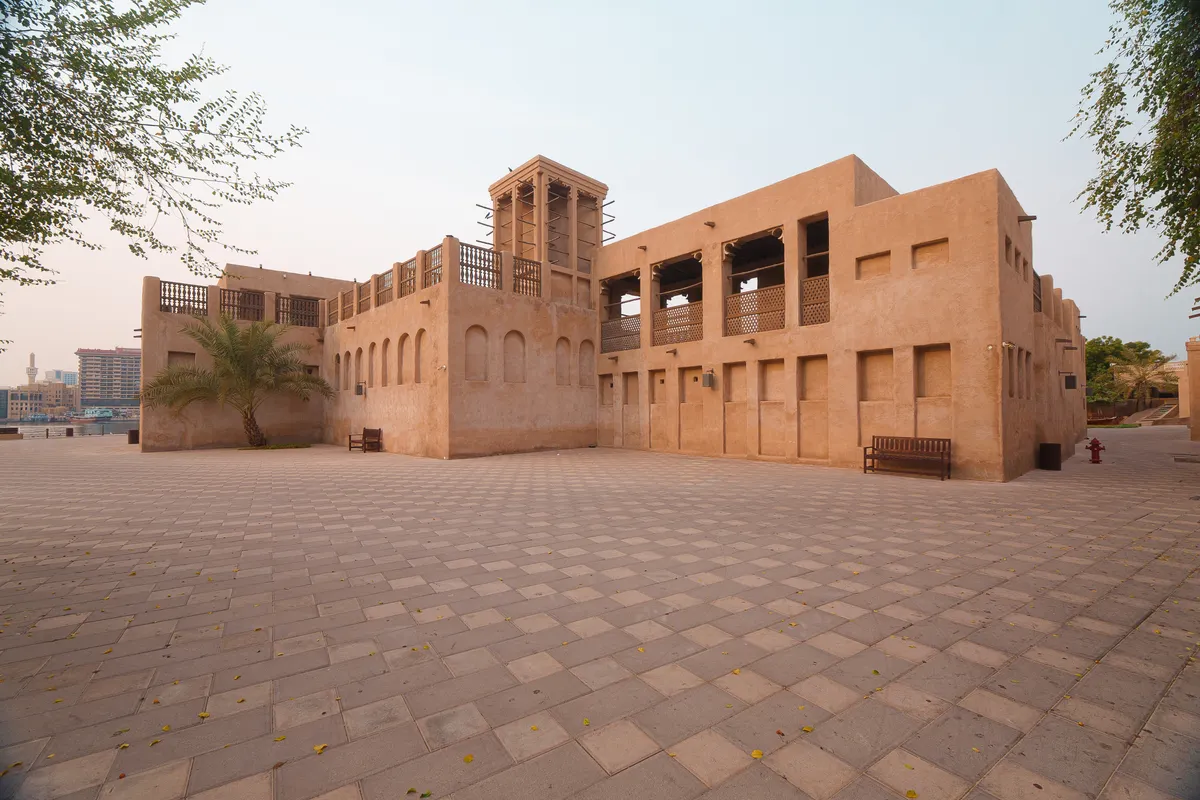
Municipal heritage codes add another layer. Many historic buildings in Dubai sit in conservation areas like Al Fahidi, where rules govern everything from window proportions to roof lines. A small deviation can mean a permit is revoked or the final certificate never arrives. With supervision, you stay within the lines and keep the project moving.

The Legal and Regulatory Framework in Dubai
Dubai Municipality and the Dubai Culture & Arts Authority oversee restoration work in designated heritage areas. Before you start, you need approvals. During the work, you need to show that everything matches those approvals. It's a strict system, and it exists to protect the architectural heritage of the city.
Author supervision serves as the link between the design team and these regulators. The supervisor checks that the construction follows the approved drawings and produces the required inspection reports. Without that, even a simple swap — like using modern aluminium windows instead of the specified timber — can void your approvals. For a closer look at the rules, head to the Dubai Municipality website and search for heritage building guidelines.
The regulator also expects site visits at key milestones. These reports aren't just paperwork. They give you legal protection if a dispute arises about whether the work was done correctly.
Key Risks Without Proper Architect Supervision
Skip author supervision and you might save a fee at the start. The risks, though, can wipe out those savings quickly. Here are the failures we see most often:
- Contractors substitute cheaper materials, claiming they're equal. A flood timber that looks like teak but rots in four years changes the building's character and durability.
- Structural shortcuts appear when a load-bearing coral wall gets replaced with a concrete frame without proper engineering review. The building may stand, but it's no longer the same building.
- Authenticity gets lost in details: mortar colour, plaster texture, the shape of a wooden lattice. Each small compromise erodes the heritage value.
- Legal trouble comes with deviation. Dubai Municipality can impose fines or order demolition if the work doesn't match the approved plans.
- Cost overruns follow when mistakes are found late. Rework on a heritage building is expensive and slow.
We've seen projects where a missing detail — say, a traditional wooden mashrabiya screen replaced with a generic modern grille — turned a listed structure into a facade that fits a mall. Author supervision keeps that from happening.
What Does Author Supervision Actually Include?
Author supervision is not about standing on site every day. It's a set of checks that run from the first drawing to the final handover. The supervisor reviews shop drawings, checks materials against the spec, solves unexpected problems, and writes everything down.
Here's a snapshot of the work at each stage:
| Stage | Supervision Activities |
|---|---|
| Design | Review drawings for heritage compliance, coordinate with structural engineers, assess the original design. |
| Pre-construction | Evaluate subcontractor bids, approve material samples, attend pre-work meetings with the contractor. |
| Construction | Inspect site at critical milestones, approve changes, track progress against the plan. |
Each task aims to catch mistakes before they become permanent. For a heritage building, a plaster finish or a door hinge can be as important as the roof. The supervisor needs a sharp eye and a working knowledge of traditional building craft.
How Author Supervision Works During On-Site Reconstruction
During construction, the architect can't be everywhere. They target the moments when decisions matter: when foundations are exposed, when walls are being rebuilt, and before any finish is applied. These visits are planned, but unexpected issues often arise.
Between visits, the supervisor reviews photos, answers RFIs, and communicates with the contractor. A typical problem: the crew hits an old water channel that wasn't on the drawings. The architect has to decide quickly whether to preserve it, redirect it, or close it off. A slow answer can halt the entire site. An experienced supervisor keeps the work flowing while still protecting the original design.
In Dubai's climate, weather also forces adjustments. A sudden rainstorm during the curing of lime plaster can ruin the finish. Extreme heat can affect mortar. The supervisor knows how to adapt the schedule without changing the intent. They are the architect's hands on site, not just a passive observer.
Choosing the Right Supervision Partner in Dubai
Choosing the right supervisor for a heritage project takes more than looking for a registered architect. You need someone who has touched old buildings, not just designed new ones. Ask about their experience with traditional arabesque details, gypsum carvings, and wooden lattice screens.
Local knowledge matters too. They should know which department in Dubai Municipality handles heritage approvals, how to get an exemption, and what kind of documentation is expected. A supervisor who has done this before will save you weeks of waiting and a lot of frustration.
So, when you plan a reconstruction in Dubai, bring the author of the design into the process early. Let them help you find the right balance between heritage and practicality. The result will be a building that holds its history and still meets the demands of a modern, livable space.