
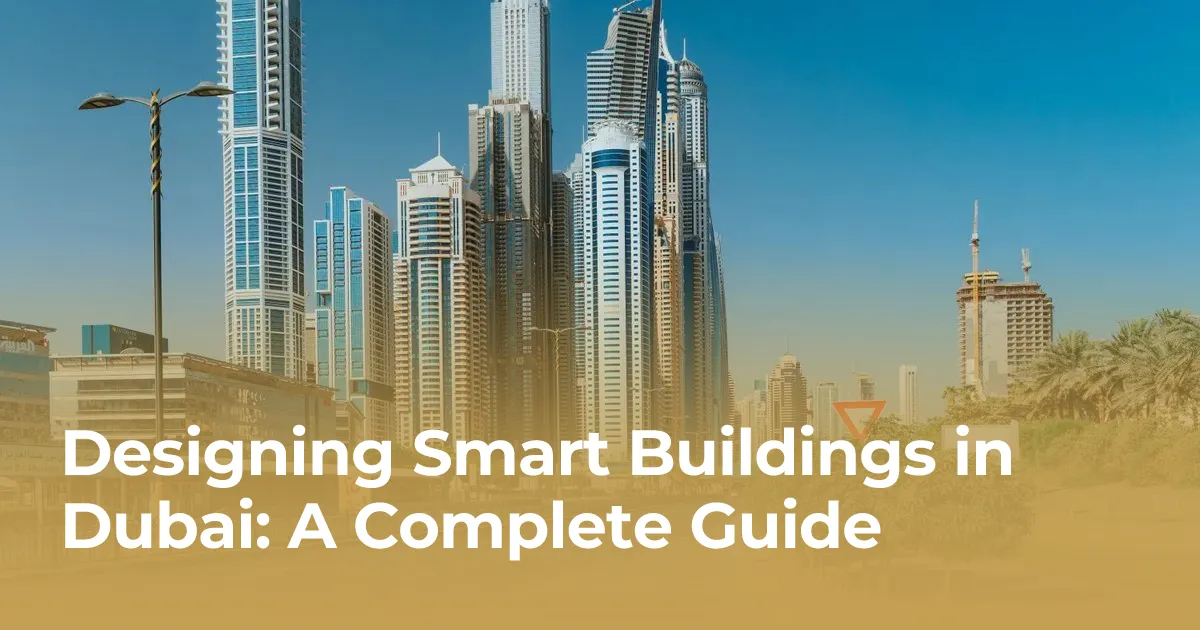
Designing Smart Buildings in Dubai: A Complete Guide
August 31, 2026
Dubai is a city that redefines norms. With summer temperatures above 45°C, a 24/7 economy, and a skyline that shifts every year, ordinary buildings do not last. A smart building here is a practical answer to extreme climate, rising energy costs, and tenant expectations. The goal is not automation for its own sake. It is an asset that adapts, learns, and operates efficiently for decades.
Designing that asset has to start with the right questions. What will the building actually do? Who uses it? How much energy can it save without hurting comfort? These questions shape every smart building Dubai project, from the first sketch to the handover documents.
What Makes a Building 'Smart'?
A smart building uses integrated systems to share information and automate operations. Heating, cooling, lighting, security, and access control are no longer separate silos. They connect through a common network and send data to a central platform. The building reacts in real time: adjusting air conditioning when a room empties, dimming lights when sunlight pours in, or locking doors after hours.
In Dubai, this intelligence has direct economic value. Air conditioning alone takes the largest share of any building's energy bill. Smart controls can cut cooling loads by responding to occupancy and outdoor conditions. That translates into lower operating costs and a stronger pitch to tenants who expect comfort and efficiency.
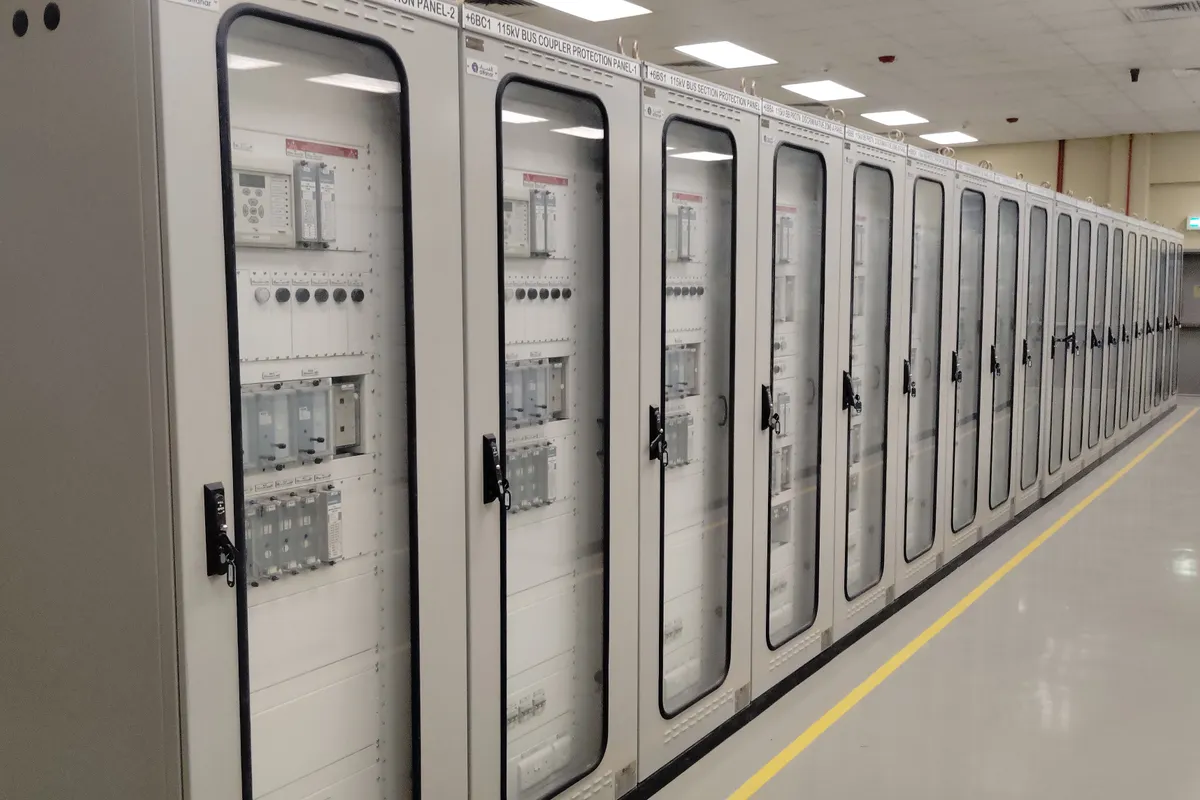
Which systems matter most? A Building Management System (BMS) unifies every control. Energy sub-metering gives detailed consumption data. Smart lighting with daylight and motion detection cuts waste. IoT sensors monitor occupancy, humidity, and air quality. Access control and video surveillance handle security. The trick is not to install as many gadgets as possible, but to choose the right set for the building's use.
Why Dubai is a Global Hub for Smart Buildings
Dubai's government has pushed digital transformation hard. The Smart Dubai framework and the Dubai 2040 Urban Master Plan set clear targets for efficiency and innovation. Data-driven services are expected in new developments, not treated as add-ons. That makes the city a testing ground for technologies that later spread elsewhere.
Climate pushes this further. High humidity and intense heat demand HVAC systems that handle peaks without wasting energy. Predictive maintenance helps prevent failures that are expensive in both money and reputation. Global technology providers often launch their latest products here, which raises the bar for local engineering teams.
For owners, a smart building in Dubai is becoming a market requirement. Tenants in commercial towers expect fast elevator response, adaptive climate control, and seamless security. Residential buyers look for automation that simplifies daily life. If you design without these expectations, the asset may look outdated before it opens.
Useful reference points: Smart Dubai outlines the emirate's digital agenda. Dubai Municipality handles planning approvals and building codes. DEWA sets requirements for electricity connections and smart metering. Dubai Civil Defence approves fire and life safety systems. All four matter for a smart building project.

Core Principles of Smart Building Design
Design starts with clear objectives. What do you want the technology to achieve? Lower operating costs, better tenant experience, faster asset growth? These goals shape every decision. A common mistake is to add sensors and gadgets without a coherent plan. The result is a building that feels smart but fails to deliver measurable benefits.
The first principle is integration. All systems should share a common language and a single control point. Open protocols like BACnet and Modbus let different brands work together. Choose proprietary systems and you risk being locked into one vendor, with limited upgrade options.
Scalability is just as important as raw functionality. Conduits, cable trays, and equipment rooms need spare capacity so future technology can be adopted easily. Resilience matters too: in Dubai's sand and heat, equipment needs proper protection. Backup power and redundancy are not optional. Finally, user experience has to stay front and center. A smart building should not require a manual to operate. The best designs let people go about their day while the building silently optimizes conditions around them.
The Role of BIM and Digital Twins
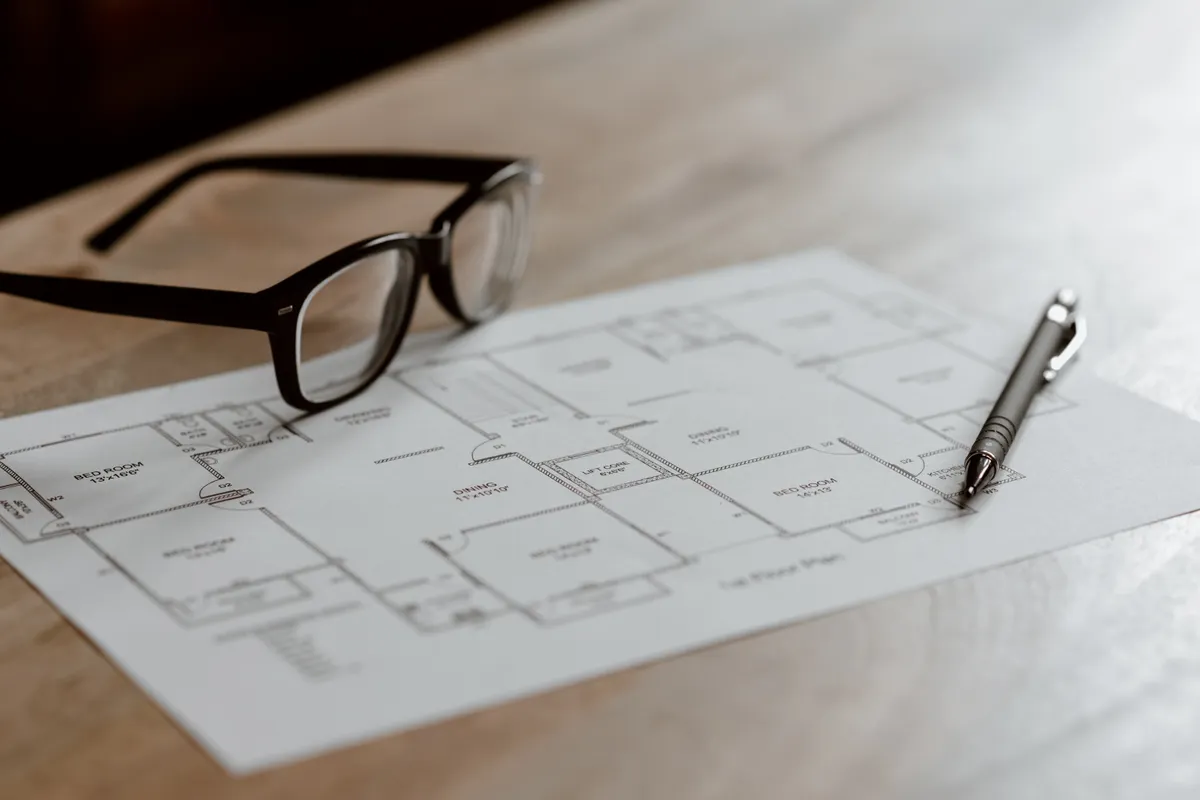
Building Information Modeling (BIM) has become the backbone of modern construction. Every component of a smart building is represented in a 3D model with attached data. The model helps coordinate mechanical, electrical, and plumbing systems before construction starts, reducing clashes and delays. It also becomes the foundation for operational management.
A digital twin extends this further. It is a live replica of the building, fed by sensors and real-time data. Facility managers can simulate operating scenarios, monitor performance, and identify problems before they become real. In a city where energy costs are high, that matters. For example, the twin can show how moving the morning AC start time by ten minutes affects floor temperatures all day, letting you save kilowatt-hours without losing comfort. The same model helps the approval process: Dubai authorities respond well to clear digital documentation, so a well-developed BIM model can speed up permit reviews.
Navigating Local Regulations and Approvals
Dubai's construction sector is tightly regulated. Every project goes through multiple authorities: Dubai Municipality, Dubai Civil Defence, DEWA, and for security-related systems, the smart city regulators. Smart buildings add layers, because security systems, fire alarms, and backup power all need specific approvals. Wiring must meet local standards, and data handling must respect privacy rules.
The practical path is to identify applicable requirements early. Dubai Municipality's building regulations govern structural and architectural design. DEWA specifies metering and grid connection standards, including interfaces for smart meters. Dubai Civil Defence approves fire detection, alarm, and suppression systems; their codes often require integration testing with the BMS. Smart Dubai's guidelines affect how data is collected and shared across city services.
Many developers underestimate how early these approvals need to be considered. A system that is later found non-compliant means redrawing parts of the design and resubmitting, which costs time and money. The smoother route is to let the regulatory matrix sit on the table during concept design, so each technology choice already matches the authority's expectations.