
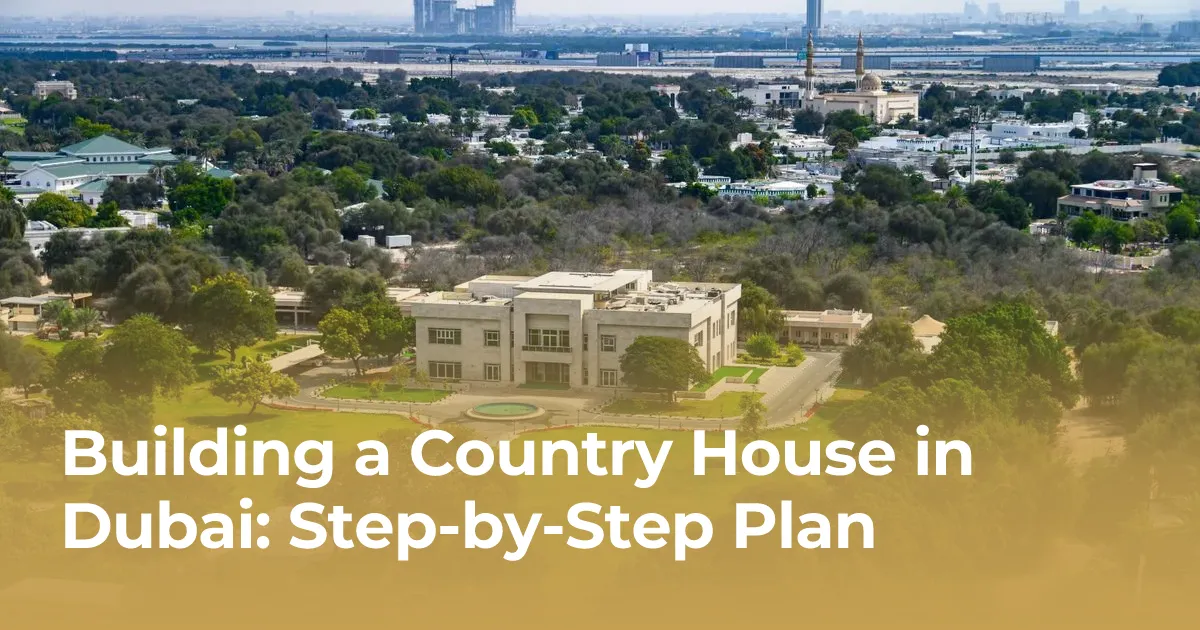
Building a Country House in Dubai: Step-by-Step Plan
August 27, 2026
Building a house in Dubai is not just about pouring concrete and putting up walls. It involves land regulations, municipal approvals, engineering design, and strict construction standards. Investors and private owners often find the path from an empty plot to a finished villa hard to navigate.
The good news is that the process becomes predictable once you break it into stages. This guide walks you through each step, from site selection to handover keys, with practical realities of the UAE market in mind.
Understanding the Legal Framework and Land Ownership in Dubai
Before you order drawings or hire a contractor, you need to answer a basic question: who owns the land, and what can be built on it? In Dubai, freehold zones allow foreign ownership, while other areas are restricted to UAE nationals or require a specific investment structure. The Dubai Land Department and Dubai Municipality set the rules for land use, building height, setbacks, and plot coverage.
Start by verifying the title deed and the zoning classification of your plot. A plot designated for residential use will not accept a commercial building, and protected zones may not allow any construction at all. Community developers also impose design guidelines that control the external appearance of villas.
Engaging a legal and engineering consultant at this stage saves you from costly surprises. Check the latest requirements directly on the Dubai Municipality website. More detail on due diligence and technical studies is available on our blog.
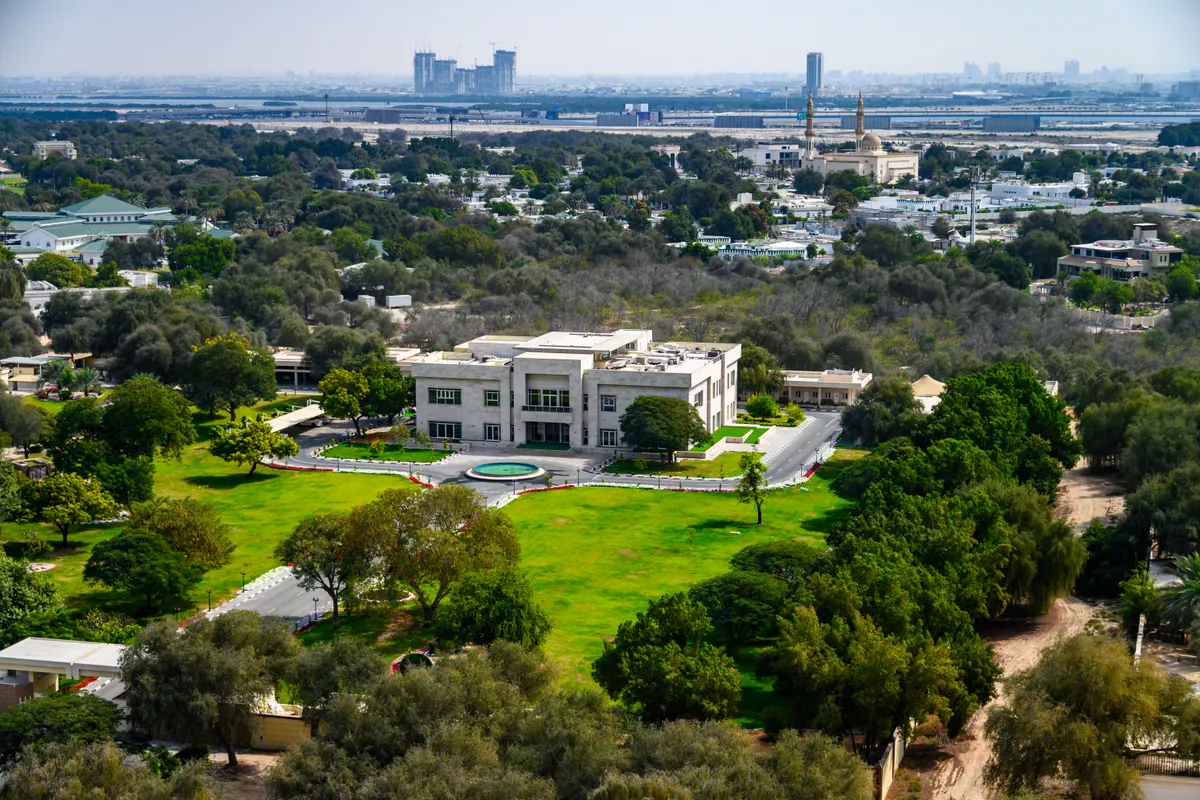
Pre-Design: Site Assessment and Feasibility Study
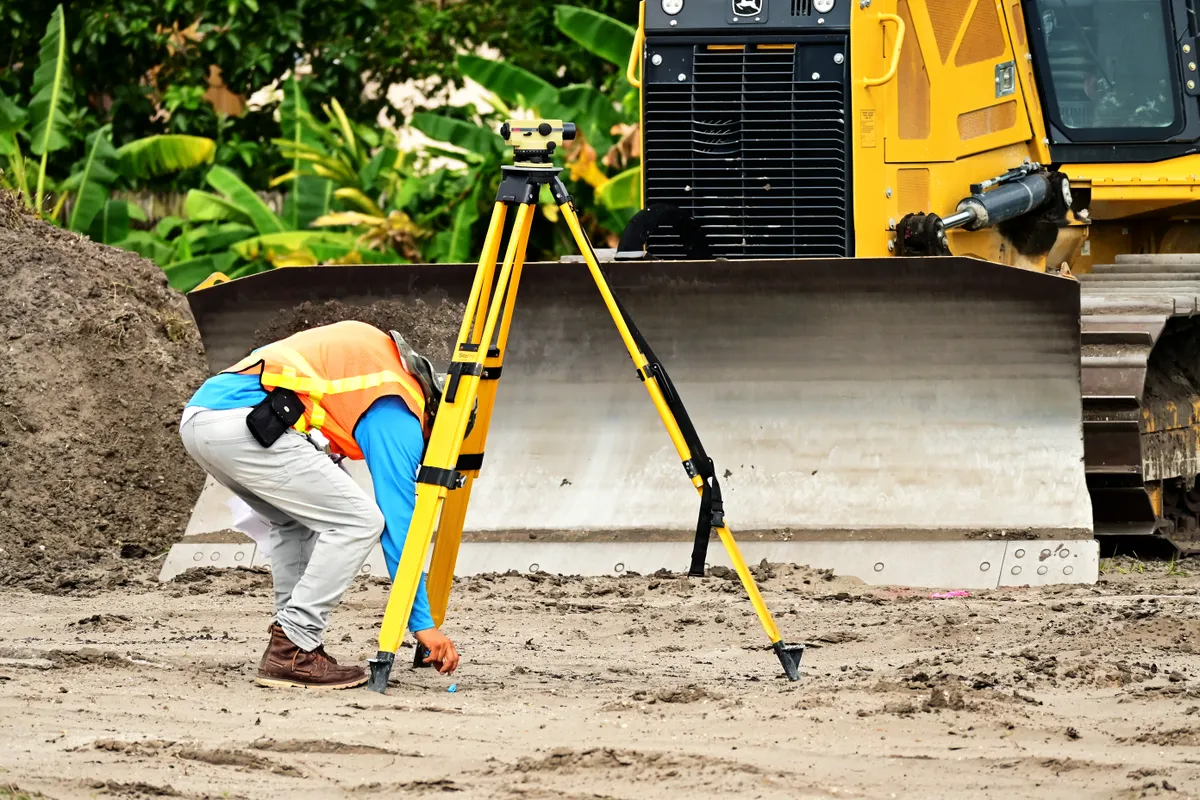
Once you have the land title and zoning in place, the next move is to understand what can physically be built there. A feasibility study examines the plot dimensions, orientation, soil stability, groundwater levels, and access to infrastructure. This step also produces a rough cost estimate and a realistic timeline.
Soil conditions in Dubai vary a lot. Some plots sit on stable sand, while others require deep pile foundations because of loose layers or high groundwater. Ignoring the geotechnical report is a risky shortcut.
Your feasibility package should include:
- Plot size and allowed footprint
- Zoning and setback rules
- Soil analysis and recommended foundation type
- Utility connection points for water, power, sewage, and telecom
- Budget and construction schedule estimate
This is also the moment to define your programme, room count, and performance targets. A clear brief helps the architect avoid redesigns later.
Architectural Design and Engineering Documentation
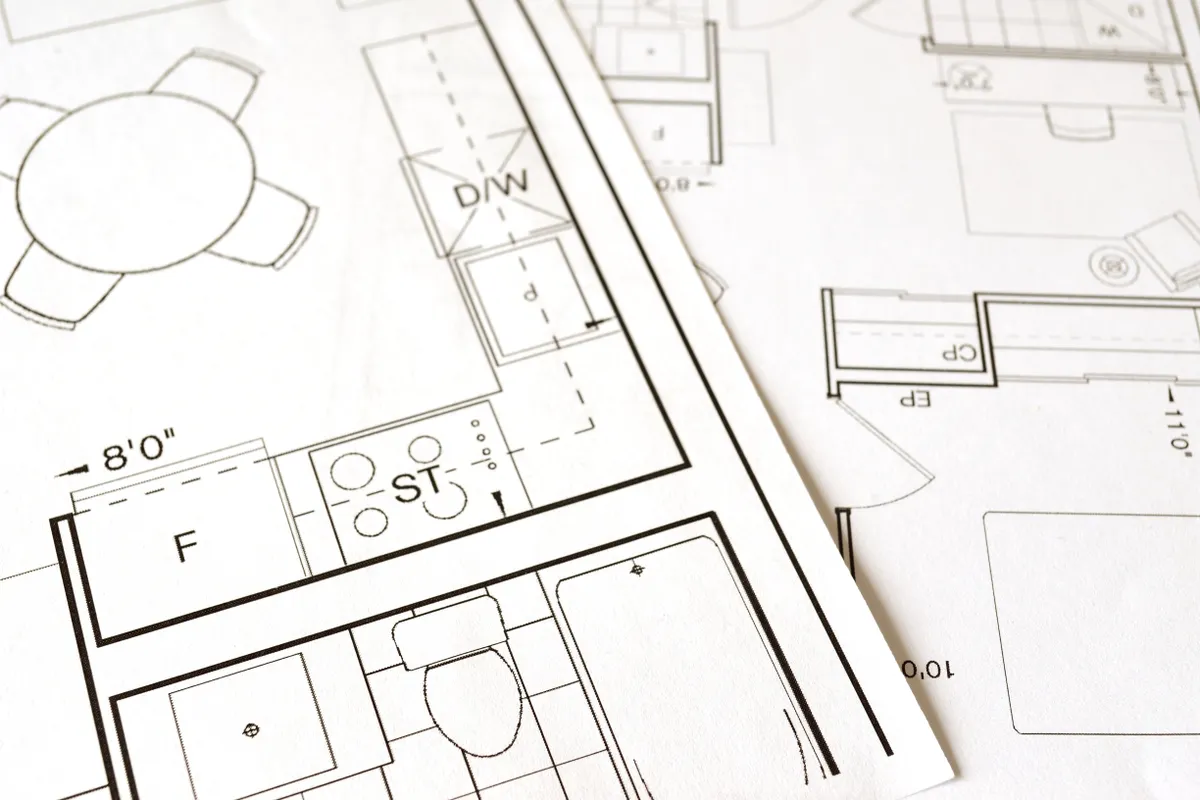
The design phase turns your brief into a set of documents that can be built and approved. An architect develops the layout and aesthetics, while structural, electrical, and mechanical engineers ensure the building is safe and efficient.
In Dubai, residential projects must comply with the UAE Green Building Regulations. That means you will need to consider solar readiness, thermal insulation, and efficient lighting from the start. Fenestration ratios, glazing performance, and HVAC systems are all scrutinized during the permit review.
The complete design package usually includes:
- Architectural drawings (plans, elevations, sections)
- Structural design and calculations
- MEP drawings and load calculations
- Material specifications and finishes schedule
- 3D visualisations for internal approvals
Preparing these documents accurately speeds up the approval process and reduces change orders during construction. Our engineering services page explains how we compile documentation for residential projects in the UAE.
Approvals and Permits: Navigating Dubai Municipality
Getting permission to build in Dubai involves more than one authority. Dubai Municipality reviews the overall design, the Civil Defence checks fire safety, DEWA confirms utility capacity, and the community developer may require a no-objection certificate (NOC).
The process can feel like a maze, but it becomes simpler when you know exactly what each organisation expects. Submitting a partial file or an outdated form is the fastest way to get a rejection. To keep the project moving, prepare a single consolidated package that addresses every requirement.
Here is a typical breakdown of approval stages:
| Stage | Authority | Focus Area |
|---|---|---|
| Site plan approval | Dubai Municipality | Zoning, setbacks, land use |
| Building permit | Dubai Municipality | Architectural and structural drawings |
| Civil Defence approval | Dubai Civil Defence | Fire safety, escape routes |
| DEWA connection | DEWA | Electrical and water loads |
| Community NOC | Master developer | Design guidelines and access |
Tracking these steps carefully prevents unnecessary delays. Many developers choose to outsource the permit coordination to a specialized consultancy, which keeps the timeline under control.
Selecting a Contractor and Managing Tenders
The contractor you choose will have a massive impact on the final quality and budget. Start by preparing a clear scope of work and a detailed bill of quantities. This document forms the basis of every quotation.
Send your package to at least three reputable contractors. Ask for an itemized proposal that lists the cost of each work package, not a lump sum. Compare the construction schedule they propose and the team they allocate to your project. A contractor with a great portfolio but no availability on site is not a practical option.
Do not rely on digital brochures alone. Visit past projects, talk to clients, and check that the contractor holds the correct trade license in Dubai. If you are working with a foreign design, confirm that the local team can handle the specific construction methods.
Tender evaluation also needs a fair scoring matrix. Price matters, but so does the proposed timeline, quality standards, and safety record. The lowest bid often leads to cost overruns later.
Construction Phase: Supervision and Quality Control
Once the permit is issued and the contractor is appointed, the real work begins. The construction stage is where budgets can slip and schedules can float for weeks. A clear supervision plan keeps everything on track.
Regardless of whether you visit the site daily, have a professional supervisor or project manager represent you. They will monitor progress against the programme, review workmanship, and issue instructions on your behalf. In a busy market like Dubai, this role is almost essential.
Most projects have official inspection points: foundation, concrete frame, waterproofing, MEP rough-in, and finishes. All of these require sign-off from the consultant and sometimes the authority. Missing an inspection window can cause a full stop, so plan the sequence carefully before starting works.
Material checks are another responsibility. Confirm that delivered goods match the approved submittals. A good supervisor keeps a daily log with photos, which protects you in the case of a dispute.
Final Inspections, Handover, and Post-Construction Support
Reaching the end of construction does not mean you can move in the next day. The final inspections are thorough. They cover the electrical system, plumbing, drainage, air conditioning, and fire safety. Dubai Municipality issues a completion certificate only after every requirement is satisfied.
Use the handover checklist to inspect every space and system. Test switches, taps, doors, windows, and the cooling system. Make a list of defects and agree on a remedy period with the contractor.
Once you accept the handover, keep all warranties, manuals, and as-built drawings safe. They are essential when you want to renovate, sell, or even take out insurance. Most contractors provide a defect liability period of twelve months, but the exact terms are part of the contract.
Post-construction support should not be an afterthought. A professional team will stay responsive during the liability period and help you address any issues quickly.
Final Word: Building Your Home in Dubai
Constructing a private house in Dubai is a major undertaking, but it becomes manageable when you follow a structured process and rely on experienced professionals. Each phase, from the legal check to the final certificate, is linked. Skip one step and you risk delays, extra costs, or even legal trouble.
At ZeroMax Group, we provide full-cycle services for residential projects in the UAE: architectural design, permit coordination, cost estimation, construction, and author supervision. If you have a plot and want a clear roadmap to your finished villa, get in touch. We can start with a feasibility review and guide you through every decision that follows.